Detecting Gas Leak in Home: 8 Crucial Safety Tips
Why Detecting Gas Leak in Home Matters for Your Family’s Safety
Detecting gas leak in home is a critical skill every homeowner needs. Natural gas powers more than half of American homes, providing heat, hot water, and cooking power—but when something goes wrong, the consequences can be deadly.
Quick Answer: How to Detect a Gas Leak
- Smell for rotten eggs or sulfur odor (mercaptan additive)
- Listen for hissing, whistling, or roaring sounds near gas lines
- Look for dying plants, bubbles in water, or orange/red stove flames
- Feel for symptoms like dizziness, headaches, or nausea
- Check your gas bill for unexplained increases
- Test connections with soapy water (bubbles = leak)
- Use electronic gas detectors for confirmation
- Monitor for physical symptoms in family members
If you suspect a leak: evacuate immediately, call 911 from a safe distance, and contact your utility company. Do not use electronics or create sparks.
Gas companies add mercaptan—a chemical that smells like rotten eggs—to naturally odorless natural gas so leaks are easier to detect. But smell alone isn’t always reliable. Some people have a diminished sense of smell, and slow leaks can go unnoticed until they become dangerous.
The stakes are high. As many as 100,000 Americans visit emergency rooms yearly due to accidental carbon monoxide poisoning, often related to gas appliances. Fire departments respond to an average of 125,000 gas leak calls annually—a 25% increase from just over a decade ago.
I’m Chris Kirsten from Professional Plumbing IE Inc., and in my years of working with gas lines and home safety systems throughout the Inland Empire, I’ve seen how knowing the signs of detecting gas leak in home can prevent disasters. Let me walk you through the eight most reliable methods to keep your family safe.
Using Your Senses: The First Line of Defense
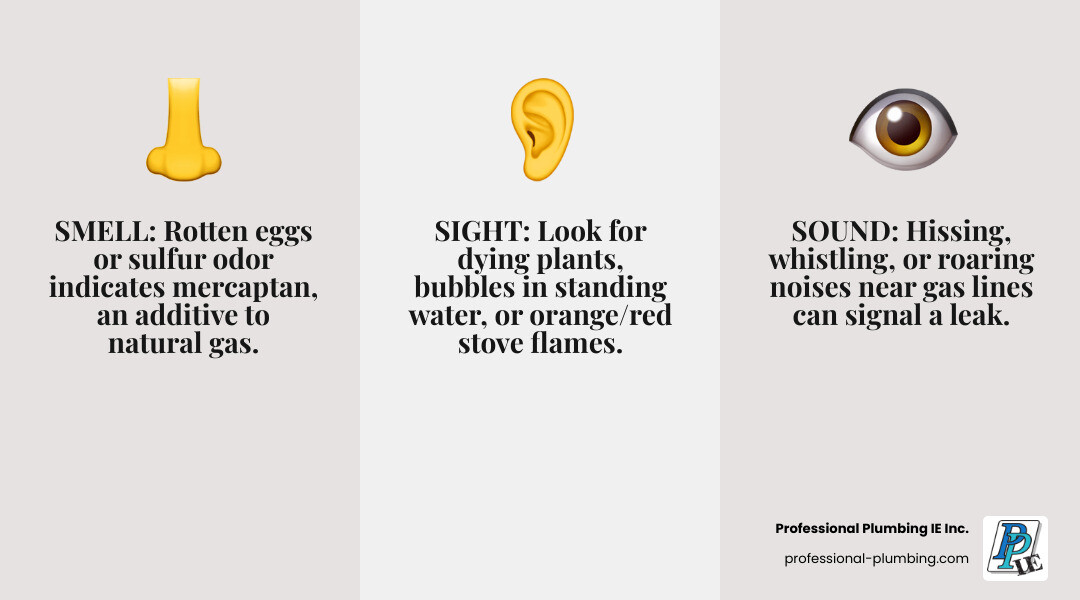
When it comes to detecting gas leak in home, our natural senses are often our earliest and most effective warning system. Trusting your nose, ears, and eyes can make all the difference in an emergency.
The Unmistakable Smell
The most common and often the first sign of a natural gas leak is its distinctive odor. While natural gas itself is naturally odorless, a chemical called mercaptan is intentionally added to it by gas companies. This mercaptan gives natural gas that pungent, sulfur-like smell—often described as rotten eggs or decaying cabbage. It’s a safety measure, a built-in alarm designed to alert us to a potential danger.
We’ve all probably smelled it at some point, perhaps a faint whiff when a pilot light on a stove goes out. However, if you notice a persistent or strong rotten egg or sulfur odor in your home in Riverside, Eastvale, Corona, Norco, Jurupa Valley, or Mira Loma, it’s crucial to take it seriously. Even if the smell seems faint, don’t dismiss it. Your sense of smell can be inconsistent, and a small, slow leak can still pose a significant risk over time. If you smell gas, that’s your cue to act immediately.
The Telltale Sounds
Beyond smell, your ears can also pick up on a gas leak. Large gas leaks in pipes or appliances may produce an audible sound as the gas escapes under pressure. Listen closely for any unusual noises coming from near your gas appliances, gas lines, or even outside your home.
- Hissing Noise: A steady, soft hiss often indicates a smaller leak, perhaps from a loose connection or a tiny crack in a pipe. You might hear this near your water heater, furnace, or stove.
- Whistling Sound: Similar to a hiss but often a bit sharper, a whistling sound also points to gas escaping through a narrow opening.
- Roaring Sound: A louder, more forceful roaring sound suggests a larger and potentially more dangerous leak. This indicates a significant volume of gas escaping rapidly.
It’s a good practice to periodically check your gas appliances for any unusual noises. If you hear anything out of the ordinary—a new hiss, whistle, or roar—investigate it carefully and consider it a potential sign of a gas leak.
Key Signs for Detecting a Gas Leak in Home Visually
Sometimes, a gas leak can manifest through visual cues, both indoors and outdoors. These signs might be subtle, but they are important indicators that shouldn’t be overlooked.
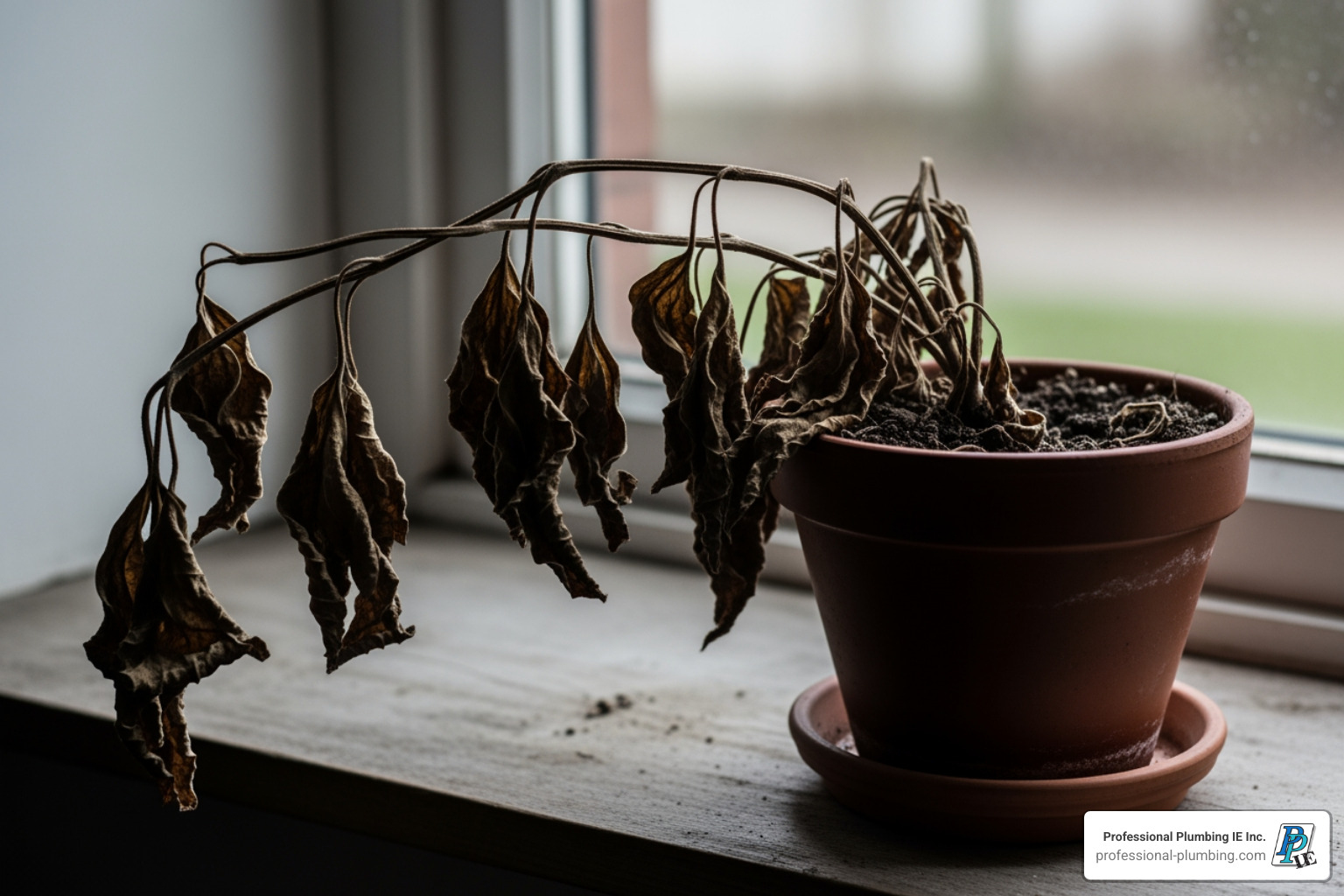
- Dying or Discolored Plants: If you have houseplants, especially those near gas lines or appliances, pay attention to their health. Natural gas leaks can displace oxygen in the soil or air, causing plants to wilt, turn yellow, or even die mysteriously. Outside, patches of dead or discolored vegetation over underground gas lines can be a strong visual clue of a leak.
- Bubbles in Standing Water: If you notice unexplained bubbling in puddles, wet areas, or even toilets inside your home, it could be gas escaping through the ground or water. This is a particularly common sign for underground leaks in our service areas of Riverside, Eastvale, and surrounding communities.
- Dust or Dirt Blowing from the Ground: For outdoor leaks, especially around gas meters or buried lines, you might observe dirt or dust blowing into the air. This occurs as gas forces its way out of the ground, disturbing the soil.
- Orange or Red Stove Flames: When your gas stove is working correctly, the flames should be crisp blue. If you notice the flames are frequently orange, yellow, or red, it can indicate incomplete combustion or an imbalance of gas and oxygen. While this could be an appliance issue, it can also be a sign of a problem with your gas supply, which could be related to a leak or improper ventilation.
These visual signs, combined with unusual smells or sounds, paint a clearer picture of a potential gas leak, urging us to take immediate action.
Physical Checks and Tools for Detecting a Gas Leak in Home
While our senses are invaluable, some physical checks and specialized tools can provide more definitive answers when detecting gas leak in home.
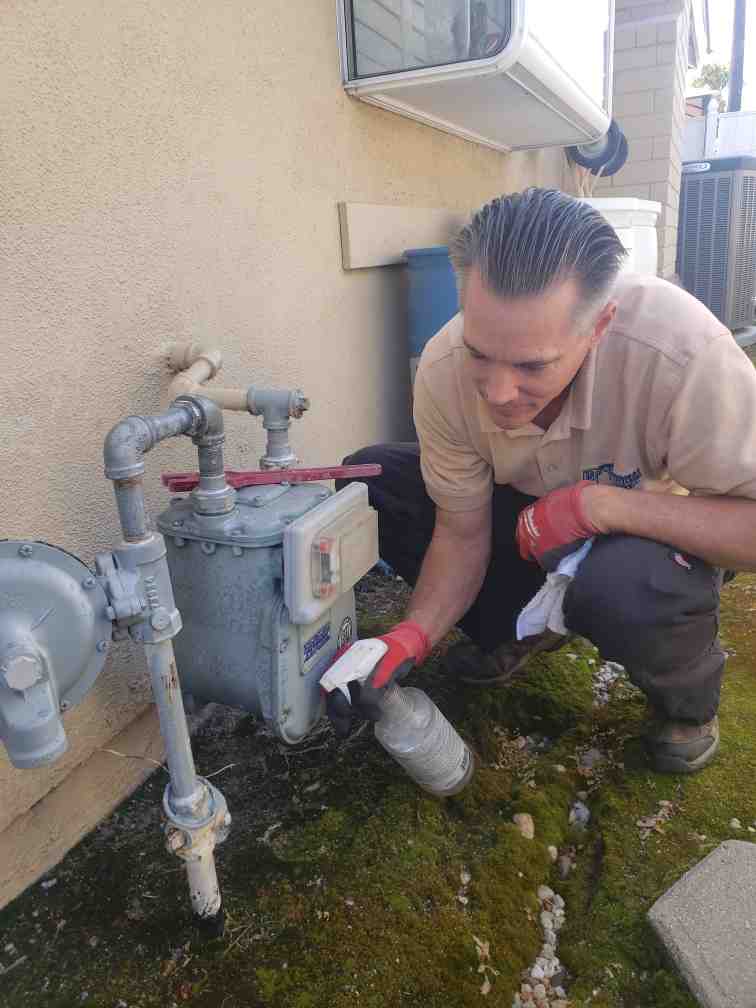
The Soapy Water Test
For suspected leaks at visible connections, fittings, or pipes, the soapy water test is a simple DIY method.

How to perform the test:
- Mix: Combine a teaspoon of liquid dish soap with about a cup of water in a small bowl or spray bottle.
- Apply: Brush or spray the soapy solution generously onto the suspected leak area—this could be a gas pipe connection, valve, or appliance fitting.
- Observe: Watch for bubbles to form in the soapy solution. If gas is escaping, it will create visible bubbles at the leak point.
What bubbles indicate: If you see bubbles, even tiny ones, it confirms a leak. Mark the spot immediately.
While this test can be useful for pinpointing leaks on accessible connections, it’s important to understand its limitations. It won’t detect leaks inside walls, from underground pipes, or from appliances themselves unless the leak is at an external connection. We always emphasize that if you suspect a leak based on smell or symptoms, even if the soapy water test doesn’t show bubbles, you should still treat it seriously and call for professional help. For more detailed steps on what to do, refer to our guide on what to do if you suspect a gas leak.
Using Electronic Tools for Detecting a Gas Leak in Home
For more precise and comprehensive detection, especially when leaks are not easily visible or smell is absent, electronic tools are indispensable.
- Handheld Gas Detectors: These portable devices are designed to sense the presence of combustible gases like methane (the primary component of natural gas) or propane. You can walk through your home, sweeping the detector along gas lines and near appliances. Many models, like the Amprobe Gas Leak Detector, have a display that shows gas concentration and sound an alarm when a significant level is detected. They are excellent for helping to pinpoint the source of a suspected leak.
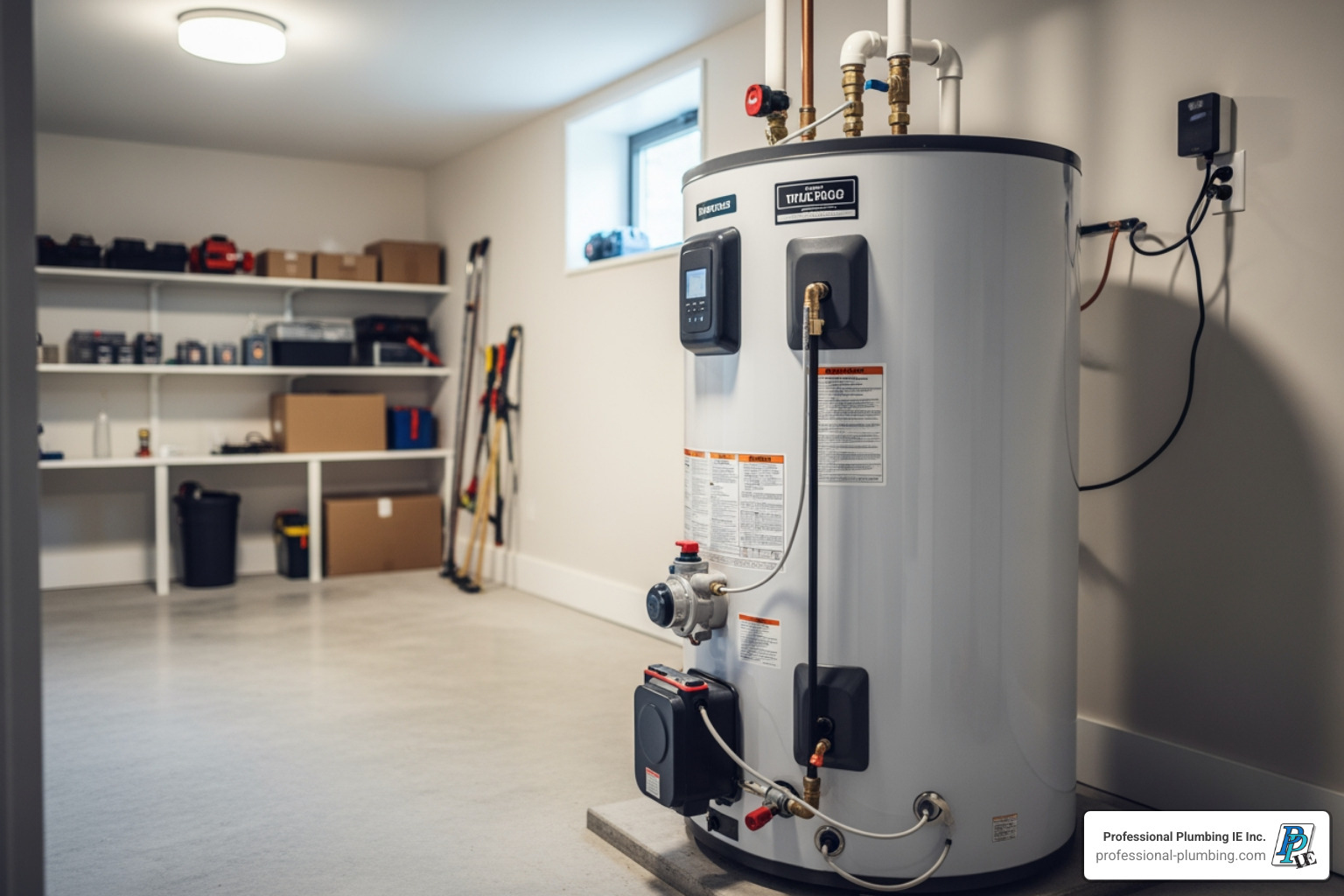
- Carbon Monoxide (CO) Detectors: While not designed to detect natural gas directly (we’ll dive deeper into this in our FAQ), CO detectors are absolutely critical for overall gas safety. Carbon monoxide is a byproduct of incomplete combustion in gas appliances. If your furnace, water heater, or stove isn’t venting properly or is malfunctioning, it can produce dangerous levels of CO. Devices like the Google Nest Protect offer both smoke and CO detection, providing a comprehensive safety net. We recommend placing CO detectors on every level of your home, especially near sleeping areas and in utility rooms where gas appliances are located.
- Smart Detectors: Many modern gas and CO detectors integrate with smart home systems, allowing you to receive alerts on your phone even when you’re away from home. These can provide an extra layer of peace of mind.
These electronic tools offer an objective measure of gas presence, supplementing our natural senses and providing crucial early warnings.
Checking Your Gas Bill
Sometimes, a gas leak isn’t dramatic; it’s a slow, insidious seep that goes unnoticed for weeks or even months. One subtle indicator of such a leak can be found right on your utility bill.
- Unexplained Increase: If you notice a significant and unexplained increase in your gas bill, particularly when your usage habits haven’t changed (e.g., no unusually cold weather, no new gas appliances, no increase in hot water use), it could be a sign of a leak. A small, persistent leak wastes gas, and that waste translates to higher costs.
- Tracking Usage: We recommend regularly tracking your gas usage. Many utility companies provide historical data online, allowing you to compare your current consumption with previous months or the same month in prior years.
- Establishing a Baseline: By understanding your typical gas consumption, you can more easily spot deviations that might signal a problem. If your bill seems unusually high for your home in Riverside or any of our service areas, and you can’t account for the extra usage, it’s worth considering a professional inspection.
This method is less about immediate danger detection and more about identifying a potential long-term issue that, if left unaddressed, could escalate into a more serious problem.
Understanding the Dangers: Health Risks of Gas Leaks
The dangers of gas leaks extend beyond the obvious risks of fire and explosion. Exposure to natural gas and, more commonly, carbon monoxide (a byproduct of incomplete gas combustion), poses serious health threats.
Symptoms of Gas Exposure and Carbon Monoxide Poisoning
Natural gas itself is primarily methane, which is not toxic in small amounts. However, it can displace oxygen, leading to suffocation. The health risks are generally more severe with carbon monoxide, which is often a related issue.
Carbon monoxide (CO) is particularly insidious because it is odorless, tasteless, and colorless, earning it the nickname “the silent killer.” It’s produced when gas appliances, furnaces, or water heaters burn fuel incompletely or are improperly vented. When inhaled, CO enters the bloodstream and replaces oxygen, depriving vital organs of the oxygen they need to function.
Symptoms of both natural gas exposure (due to oxygen displacement) and carbon monoxide poisoning can include:
- Dizziness and Lightheadedness: A common early sign, often mistaken for flu or fatigue.
- Headaches: Persistent and unexplained headaches, especially when they improve outdoors.
- Nausea and Vomiting: Feeling sick to your stomach without a clear cause.
- Fatigue and Weakness: Extreme tiredness and lack of energy.
- Breathing Difficulties: Shortness of breath or difficulty catching your breath.
- Confusion or Disorientation: Impaired judgment and inability to think clearly.
- Flu-like Symptoms: Many CO poisoning symptoms mimic the flu, making it dangerous to self-diagnose.
The Mayo Clinic outlines symptoms associated with carbon monoxide poisoning, highlighting that pets, children, older adults, and individuals with existing health conditions are often more vulnerable and may show symptoms sooner. The severity of symptoms depends on the concentration of gas and the duration of exposure. In severe cases, prolonged exposure can lead to memory loss, comas, and even death. The grim reality is that as many as 100,000 Americans visit the emergency room yearly due to accidental carbon monoxide poisoning, underscoring the critical importance of early detection and immediate action. If anyone in your home in Eastvale, Corona, Jurupa Valley, or any of our service areas experiences these symptoms, especially if they clear up when leaving the house, it’s a major red flag.
What to Do Immediately if You Suspect a Gas Leak
If your senses or a detector suggests a gas leak, your immediate response is paramount. There’s a strict protocol we always advise our customers in Riverside and the surrounding areas to follow to ensure everyone’s safety.
- Evacuate Immediately: The moment you suspect a gas leak, gather everyone (including pets) and leave the building. Do not hesitate. As you exit, if it’s safe to do so and doesn’t delay your exit, open windows and doors to help ventilate the home.
- Do NOT Use Electronics or Create Sparks: This is critical. Any spark, no matter how small, can ignite accumulated gas, leading to a fire or explosion.
- Do NOT turn light switches on or off.
- Do NOT use cell phones indoors.
- Do NOT use landline phones.
- Do NOT operate appliances, even small ones.
- Do NOT open or close garage doors (if electrically operated).
- Do NOT light matches or lighters.
- Do NOT start your car if it’s in an attached garage.
- Shut Off the Gas Supply (If Safe and Accessible): If you can safely access your main gas shut-off valve outside your home without re-entering or getting too close to the suspected leak, turn it off. However, never prioritize this over immediate evacuation. If in doubt, leave it to the professionals. You can find more information about how to locate and shut off your natural gas line in our detailed guide.
- Call 911 from a Safe Distance: Once you are a safe distance away from your home, call 911 or your local fire department. Provide them with your address and clearly state that you suspect a gas leak.
- Call Your Utility Company: After contacting 911, call your natural gas provider’s emergency line. They will dispatch a crew to your location.
- Wait for Professionals: Do not re-enter your home until emergency responders or utility personnel have declared it safe. They have specialized equipment to accurately detect gas levels and repair the leak.
When in doubt, get out! Your safety and the safety of your loved ones in Corona, Norco, or anywhere in our service region are our top priority.
Prevention and Professional Inspections
While knowing how to detect a gas leak is crucial, preventing them in the first place is always the best approach. Regular maintenance and professional attention to your gas system can save you a lot of stress and potential danger.
How to Prevent Gas Leaks
Proactive steps can significantly reduce the risk of a gas leak in your home:
- Regular Appliance Maintenance: Schedule annual check-ups for all your gas-powered appliances, including furnaces, water heaters, stoves, and dryers. A professional technician can ensure they are running efficiently, are properly vented, and have no developing issues that could lead to leaks.
- Professional Installation: Always ensure that new gas lines or gas appliances are installed by licensed and experienced professionals. Improper installation, faulty connections, or incorrect sizing are leading causes of gas leaks. This is especially true for any new gas line installations in your Riverside home. For insights into the cost of adding a gas line, we have a helpful resource.
- Checking Connections: Periodically inspect visible gas line connections for any signs of corrosion or damage. While you shouldn’t attempt to tighten or repair them yourself, noticing issues early can prompt a professional inspection.
- Proper Ventilation: Ensure all gas appliances are properly vented to the outside. Blocked or damaged vents can cause carbon monoxide to build up indoors, mimicking some gas leak symptoms and creating a deadly environment.
- Call 811 Before You Dig: If you plan any outdoor digging projects in Jurupa Valley, Mira Loma, or any of our service areas, always call 811 a few days beforehand. This free service will mark the location of underground utility lines, including gas lines, preventing accidental damage.
When to Call a Professional
Even with preventative measures, issues can arise. Knowing when to call a professional is key to maintaining a safe home:
- Persistent Smells: If you continue to smell gas, even faintly, after airing out your home, it’s time to call us. We use specialized equipment to pinpoint leaks that your senses might miss.
- After an Earthquake or Natural Disaster: Our region is prone to seismic activity. After an earthquake, even a minor one, it’s wise to have your gas lines and appliances inspected by a professional. Shifting foundations or vibrations can damage pipes and connections.
- Damaged Gas Lines: If you see any visible damage to your gas lines, such as dents, kinks, or corrosion, do not touch them. Call for professional assessment and repair immediately. Corrosion was, in fact, the leading cause of gas leaks in the U.S. from 2009-2018.
- Appliance Malfunction: If a gas appliance isn’t working correctly, is producing unusual noises, or has an orange/yellow flame, it could indicate an internal leak or improper combustion. This warrants a professional’s attention.
- Annual Inspections: We recommend annual gas line and appliance inspections by a licensed plumber. These routine check-ups can catch minor issues before they become major problems, ensuring the safety and efficiency of your entire gas system.
Frequently Asked Questions about Gas Leak Detection
We often hear similar questions from homeowners in Riverside, Eastvale, and our neighboring communities. Let’s address some of the most common ones to clear up any confusion.
Will a carbon monoxide (CO) detector find a natural gas leak?
No, a carbon monoxide (CO) detector will not detect a natural gas leak. This is a common and dangerous misconception.
- CO detectors are specifically designed to detect carbon monoxide, an odorless, colorless, and tasteless gas that results from the incomplete combustion of fuels (like natural gas, propane, wood, or oil). CO detectors measure parts per million (ppm) of CO in the air and sound an alarm when levels become dangerous.
- Natural gas detectors (also known as combustible gas detectors or methane detectors) are designed to detect methane, propane, or other combustible gases. They typically alert you to the presence of these gases, which are flammable and explosive.
While a natural gas leak can lead to carbon monoxide if the gas is burning inefficiently, a CO detector will only go off if CO is present, not the unburned natural gas itself. Therefore, it’s crucial to have both types of detectors in your home for comprehensive safety.
Is a gas leak from my stove dangerous?
Absolutely. Any gas leak, no matter how small or where it originates (stove, furnace, water heater, or gas line), is potentially dangerous and should be treated with extreme caution.
- Fire and Explosion Risk: Natural gas is highly flammable. Even a small leak can allow gas to accumulate, and if it reaches a sufficient concentration and encounters an ignition source (like a spark from a light switch, a pilot light, or even static electricity), it can cause a fire or a devastating explosion.
- Health Hazards: As discussed earlier, natural gas can displace oxygen, leading to suffocation. Furthermore, if the leak is from a malfunctioning appliance, it can produce dangerous levels of carbon monoxide, leading to poisoning.
Never assume a leak is minor and attempt to fix it yourself. Always follow emergency protocols, evacuate, and call professionals immediately.
How effective is the soapy water test?
The soapy water test is a useful and quick method for detecting gas leak in home at visible connections and fittings. It’s effective for:
- Pinpointing Small Leaks: It can visually confirm small, localized leaks where gas is escaping through a joint or crack, making bubbles.
However, it’s important to understand its limitations:
- Not Conclusive for All Leaks: The test won’t detect leaks inside walls, within appliances, from underground pipes, or if the leak is too slow to produce visible bubbles.
- Risk of False Security: If you smell gas or experience symptoms but the soapy water test shows no bubbles, do not assume there’s no leak. Your senses or physical symptoms are often more reliable indicators of a problem.
We view the soapy water test as a helpful diagnostic tool for accessible areas, but it should never replace professional inspection or negate the importance of trusting your other senses. If you have any suspicion of a gas leak, even if the bubbles aren’t there, contact us immediately.
Your Safety is Our Priority
Detecting gas leak in home is not just about being prepared; it’s about safeguarding your most valuable asset—your family and your property. We’ve explored the key methods, from trusting your senses to utilizing electronic detectors and monitoring your gas bill. We’ve also highlighted the severe health risks associated with gas exposure and carbon monoxide poisoning, and outlined the critical immediate steps to take if you suspect a leak.
Remember the golden rule: when in doubt, get out! Never take chances with a gas leak. Your swift and correct actions can prevent a dangerous situation from becoming a tragedy.
For expert service for natural gas lines and leak detection in the Riverside area, including Eastvale, Corona, Norco, Jurupa Valley, and Mira Loma, our team at Professional Plumbing IE Inc. is here to help. With nearly 40 years of experience, we provide professional, guaranteed quality service at affordable rates, always prioritizing your safety and satisfaction. Don’t hesitate to reach out to us if you have any concerns about your gas lines or appliances.