Main Water Line Leak: 5 Critical Signs Revealed
When Water Waste Becomes a Homeowner’s Nightmare
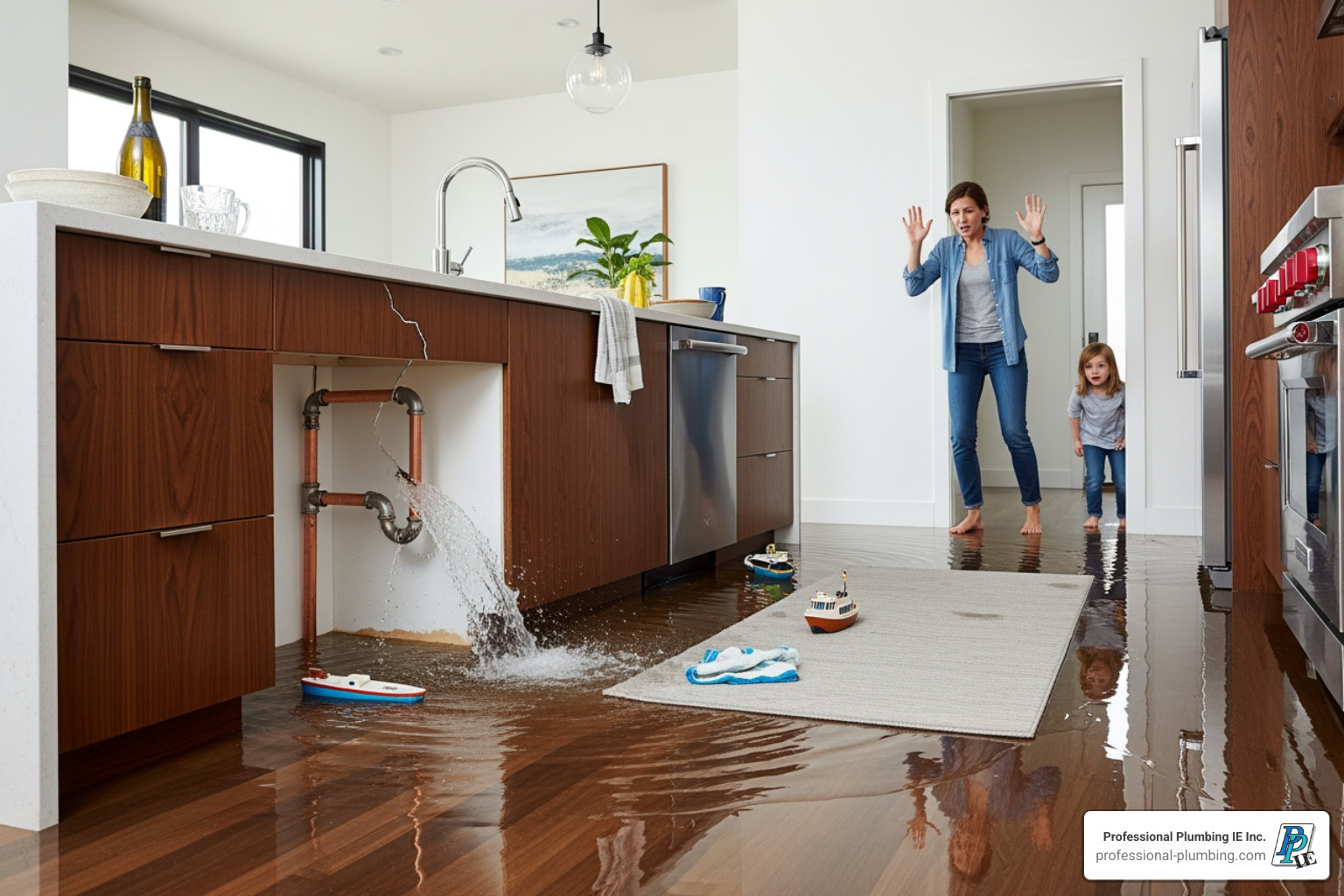
A main water line leak is one of the most serious plumbing emergencies a homeowner can face. The average household loses about 17 gallons of water per day to indoor leaks, but a main water line issue can waste far more—sometimes thousands of gallons—before it’s even detected. This hidden threat connects your home’s plumbing to the public water supply, and when it fails, the consequences can be devastating.
Can you fix a main water line leak yourself? Here’s the truth:
- Detection: Yes – You can identify signs and confirm a leak using your water meter
- Repair: No – Main line repairs require professional expertise, specialized equipment, and proper permits
- Why? – Safety hazards, risk of further damage, and violation of local codes make DIY repairs dangerous and often illegal
- What to do: Call a licensed plumber immediately after confirming a leak
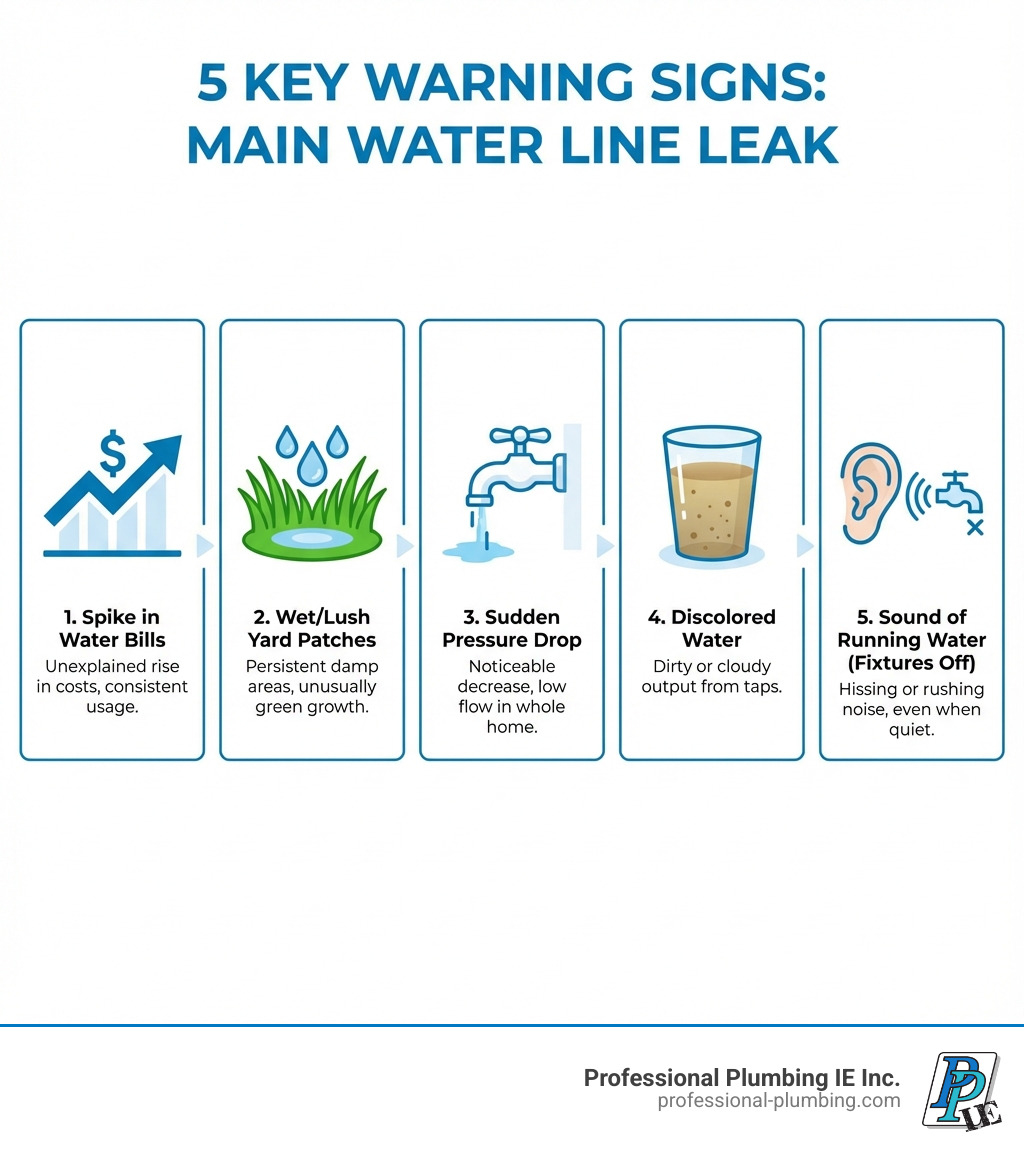
The warning signs are often subtle at first. You might notice a mysterious spike in your water bill, unexplained wet patches in your yard, or a sudden drop in water pressure throughout your home. Left unchecked, these seemingly minor issues can lead to foundation damage, sinkholes, and water bills that soar into the thousands.
The harsh reality: While you can and should perform initial detection, attempting to repair a main water line yourself is not just impractical—it’s risky. These repairs require excavation, specialized tools, knowledge of local building codes, and often permits from your municipality. A botched DIY attempt can turn a manageable problem into a catastrophic failure.
I’m Chris Kirsten, and over four decades with Professional Plumbing IE Inc., I’ve responded to countless main water line leak emergencies across the Inland Empire. I’ve seen how a small, undetected main water line leak can escalate into tens of thousands of dollars in damage when homeowners delay professional intervention.
Find more about main water line leak:
Spotting the Telltale Signs of a Leak
A main water line leak can be a sneaky adversary, often hiding underground and only revealing itself through subtle clues. Being vigilant and knowing what to look for can save you from extensive damage and costly repairs. We’ve compiled the most common warning signs that indicate you might have a hidden leak.
One of the most immediate indicators we often see is an unexplained high water bill. If your water usage habits haven’t changed, but your bill has suddenly skyrocketed, it’s a strong red flag. This could mean gallons upon gallons of water are escaping your system unnoticed. Even a seemingly minor leak, like a faucet dripping slowly at one drop every two seconds, can waste over 1,000 gallons per year. Imagine the waste from an underground pipe!
A sudden drop in water pressure throughout your home is another critical sign. Your main water line delivers pressurized water to all your fixtures. If there’s a breach, that pressure escapes, leading to weak showers and slow-filling appliances. Conversely, a main water line leak can sometimes cause the opposite effect. We’ve even encountered situations where customers report hearing the sound of running water when all their fixtures are turned off, a clear indication that water is flowing somewhere it shouldn’t be.
Beyond the obvious, pay attention to the quality of your water. Discolored or dirty water, or water that contains rust or air, can signal that soil or debris is entering your water supply through a crack in the main line. This is not only a sign of a leak but also a potential health concern.
Finally, keep an eye out for structural water damage. While this can be a symptom of various plumbing issues, if coupled with other signs, it can point to a serious underground leak affecting your foundation. For more general signs that your plumbing might be failing, we encourage you to read our guide on Signs That Your Plumbing Is Failing.
How to Use Your Water Meter to Confirm a Main Water Line Leak
Your water meter is one of your best friends when it comes to detecting a main water line leak. It provides a definitive way to confirm if water is escaping your system when it shouldn’t be. Here’s a step-by-step guide we recommend for homeowners in Riverside, Eastvale, Corona, Norco, Jurupa Valley, and Mira Loma:
- Shut off all water: Ensure absolutely no water is being used inside or outside your home. This means no flushing toilets, running dishwashers, washing machines, or even automatic sprinklers.
- Locate your water meter: Your water meter is typically located near the street, usually in a concrete box, or sometimes in your basement if you have one.
- Check the leak indicator dial: Many modern water meters have a small red, white, or blue triangle or a small gear-shaped wheel, often called the “leak indicator” or “leak detector.” If this dial is spinning, even slowly, when all water is off, it indicates a leak somewhere in your system.
- If there’s no leak indicator (or for added confirmation):
- Record meter reading: Note down the exact numbers on your water meter.
- Wait 30-60 minutes: Do not use any water during this period.
- Re-check reading: After the waiting period, check the meter reading again. If the numbers have changed, you have a leak. The amount of change will give you an idea of the leak’s severity.
This simple test can confirm the presence of a leak, though it won’t tell you exactly where it is. For more information on how to check for leaks, including other household sources, you can refer to resources like More info on checking for leaks. While this resource is from another city, the principles of using your water meter are universal.
Outdoor Clues You Can’t Ignore
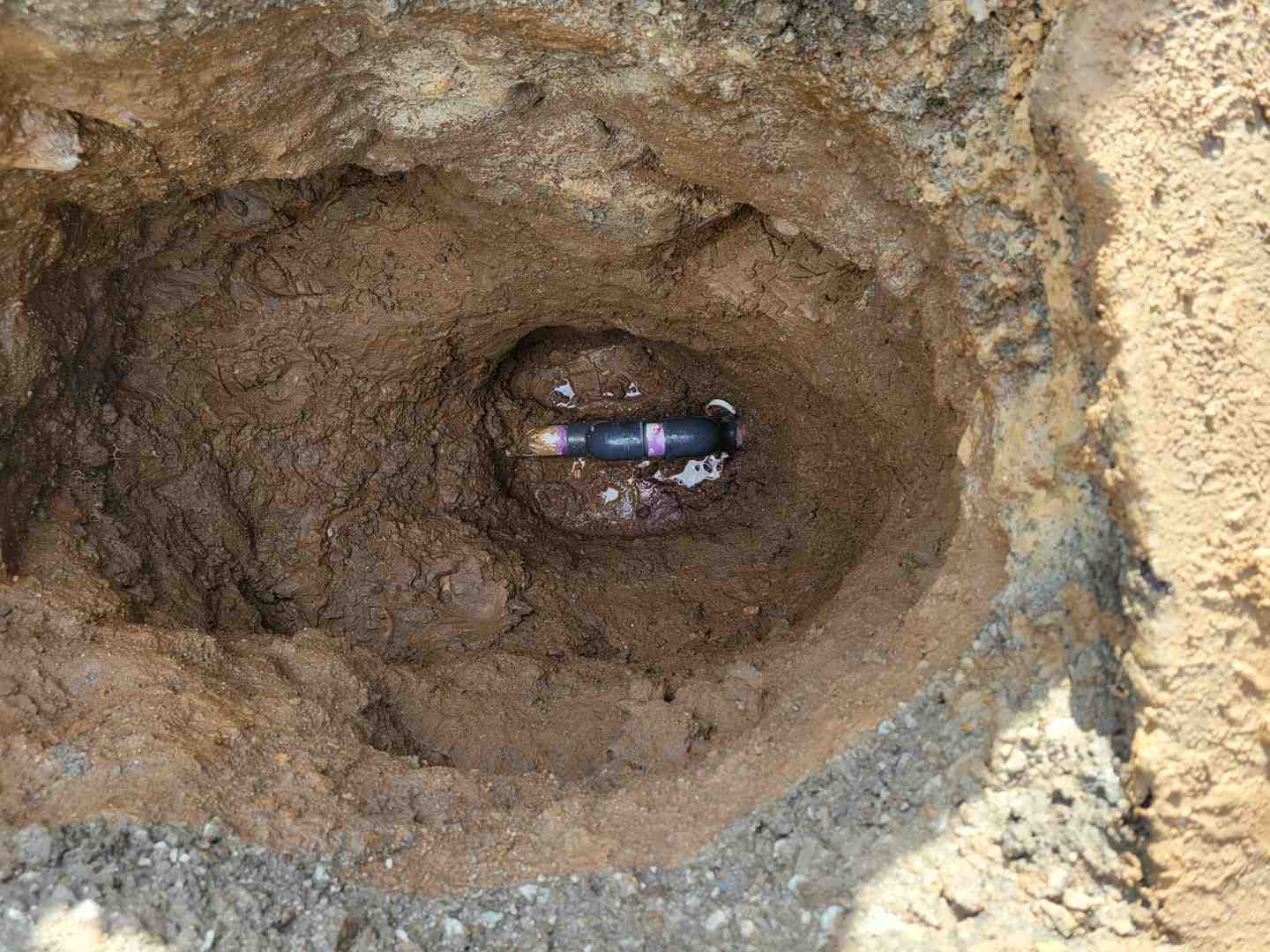
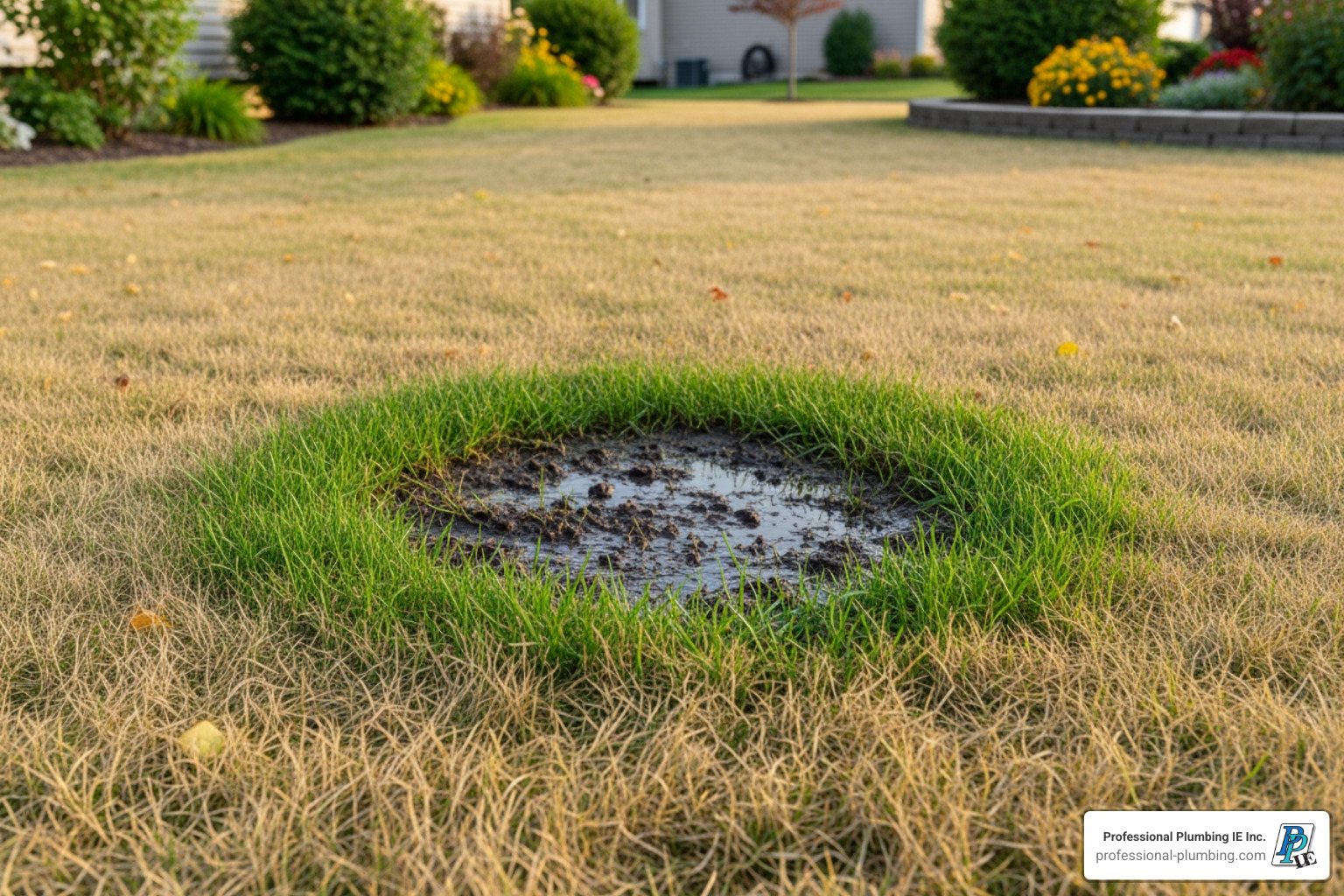
While your water meter can confirm a leak, your yard often provides the visual evidence of a main water line leak. Since these lines are typically buried, the escaping water will eventually make its way to the surface, creating distinct outdoor clues.
Look for unusually green or lush patches of grass in your yard, especially if they appear in areas where the rest of your lawn is struggling. The constant moisture and nutrients from the leaking water can create a localized oasis. Similarly, persistent wet spots or puddles that don’t dry up, even during dry spells or without recent rain, are a strong indicator of an underground leak.
Over time, a significant main water line leak can lead to soil erosion, where the escaping water washes away soil, or even sinkholes in your yard. These can range from small depressions to dangerous cavities, posing a serious safety risk.
Beyond your property line, pay attention to the street. Water pooling in the street or even bubbling water emerging from cracks in the pavement can signal a burst underground main water line. If you notice this, it’s crucial to report it to your local water utility immediately, as it’s likely on their side of the responsibility.
Finally, inspect your home’s foundation. Cracks in your home’s foundation or persistent dampness around the exterior perimeter could be caused by water seeping from a nearby main water line leak, potentially leading to serious structural issues.
Who is Responsible? The City vs. The Homeowner
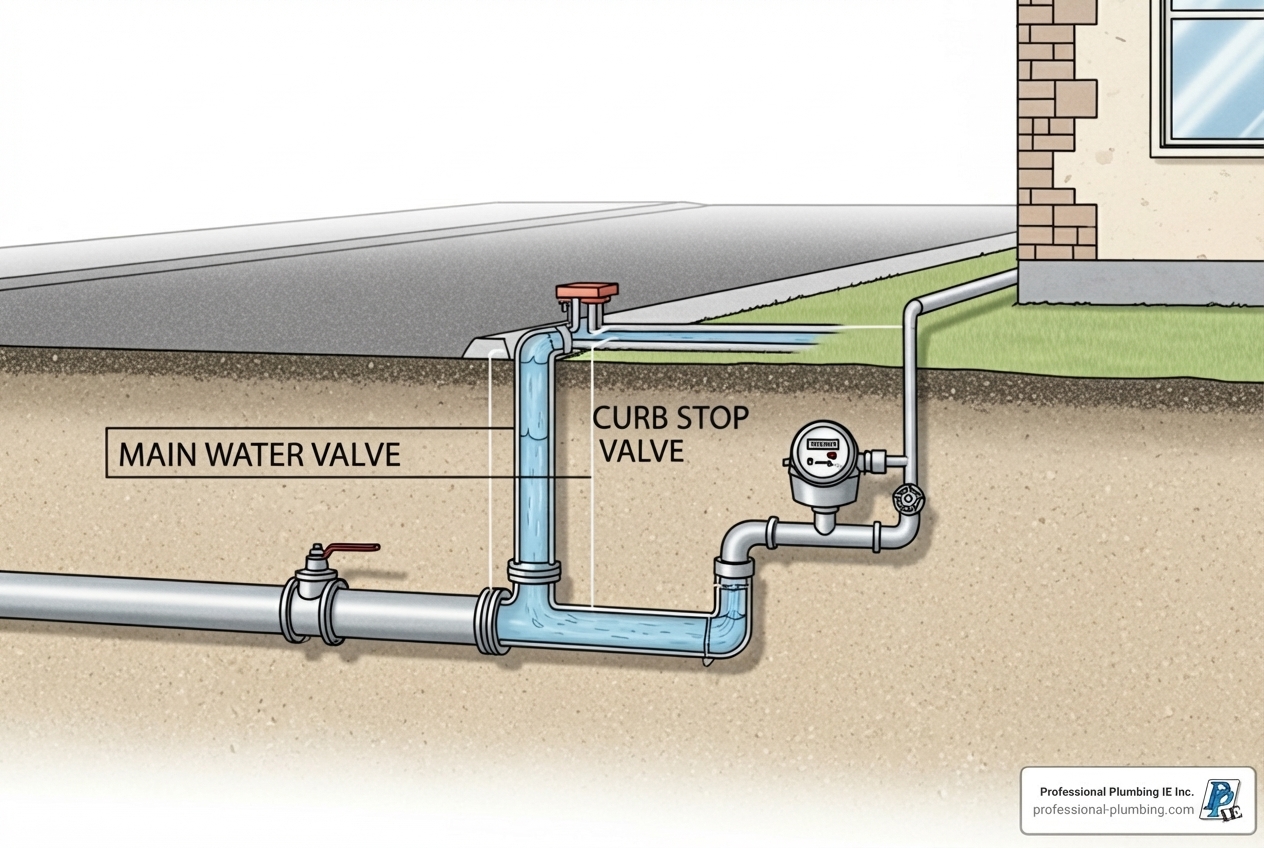
When a main water line leak occurs, one of the first questions we hear from homeowners is, “Who is responsible for fixing this?” Understanding this division of responsibility is crucial before you attempt any repairs or even call a professional. The water line is typically divided into two main sections, with the responsibility often split at a point known as the curb stop or property line.
The City’s Responsibility
Generally, the local municipality or water utility is responsible for the public infrastructure. This includes the large water main in the street that serves the entire neighborhood. Their responsibility typically extends to the pipes leading from the water main to your water meter, or to the curb stop at your property line.
If a leak occurs in this section—before your water meter or on the public side of the curb stop—it is usually the city’s duty to repair it. This means they will handle the costs, the excavation, and the repair process. If you suspect a public-side leak (e.g., water bubbling up in the street), we advise you to report it to your local water department immediately. For example, many cities outline their specific responsibilities for water infrastructure. While the exact details can vary by municipality in our service areas like Riverside, Eastvale, and Corona, the general principle holds true: the city maintains the main supply up to a certain point. You can often find detailed information about municipal responsibilities on your local water department’s website.
The Homeowner’s Responsibility
Once the water passes through the meter or crosses the curb stop onto your property, the responsibility shifts to you, the homeowner. This means the service line from the meter to your house is your property and your responsibility. This also extends to all internal plumbing within your home, including your faucets, toilets, and water heaters.
Any main water line leak that occurs on your property, from the meter to your home, falls under your purview. This includes the financial burden of repair costs and the responsibility to hire a licensed plumber. We’ve seen homeowners surprised by this, but it’s a standard practice in most municipalities, including those in our service areas. For instance, many water departments explicitly state that they are not responsible for pipes inside your home or leaks from the connection to the water main and throughout the property. This means that if you have a leak in your yard between the meter and your house, or under your foundation, it’s up to you to get it fixed. For more detailed information on homeowner responsibility, you can consult resources like More on homeowner responsibility, keeping in mind that specific local ordinances in Riverside, Jurupa Valley, Norco, or Mira Loma will apply.
Common Causes and Severe Consequences
Understanding why main water line leaks happen is the first step in preventing them, or at least recognizing the risks. There isn’t one single culprit; instead, a combination of factors often contributes to these underground plumbing nightmares.
The age of your pipes is a significant factor. Over time, all materials degrade. Corrosion is a common enemy, especially in older metal pipes like galvanized steel. Extreme temperatures also play a huge role. In colder climates, freezing and thawing cycles can cause the ground to shift, stressing pipes. Even in our warmer Southern California climate, significant temperature fluctuations can lead to soil erosion and ground shifting, which can put immense pressure on buried lines.
We’ve also seen tree root intrusion cause severe damage. Roots are relentless in their search for water, and even a tiny crack in a pipe can attract them, leading to blockages and eventual breaks. Poor installation practices, defective pipe joints, or low-quality fittings can create weak points that fail prematurely. Even human error during digging for landscaping or other projects can accidentally strike and damage an otherwise healthy main water line. Finally, constant vibration from traffic above ground can contribute to the wear and tear of buried pipes.
Why Main Water Lines Fail Over Time
The materials used in your home’s plumbing system directly impact its longevity and susceptibility to leaks. Here’s a look at the typical lifespan of different types of pipes:
| Pipe Material | Typical Lifespan (Years) | Common Issues |
|---|---|---|
| Galvanized Steel | 20-50 | Corrosion, rust, reduced water flow, leaks at joints |
| Copper | 50+ | Pinhole leaks, corrosion (less common than galvanized) |
| Brass | 50-70 | Corrosion (generally good resistance) |
| Cast Iron (drain) | 75-100 | Corrosion, cracking (for drain lines) |
| PVC (supply lines) | 75+ | Cracking from ground movement, improper installation |
| PEX | 40+ | Less prone to corrosion, susceptible to UV damage |
In older homes throughout Riverside, Corona, and surrounding areas, we often encounter galvanized steel pipes, which are notorious for corrosion and rust buildup, leading to reduced water flow and eventual leaks. Copper pipes, while generally more durable, can develop pinhole leaks over decades due to localized corrosion. PVC and PEX are more modern materials, offering good longevity, but are not entirely immune to issues like ground movement or improper installation.
Age-related corrosion is arguably the most common cause of failure. As pipes age, their protective layers break down, exposing the metal to water and minerals, leading to rust and deterioration. This weakens the pipe walls, making them vulnerable to pressure changes and ground movement, eventually resulting in a main water line leak.
The High Cost of Ignoring a Leak
Ignoring a main water line leak is like ignoring a ticking time bomb under your property. The consequences can be far more severe and expensive than the initial repair.
One of the most devastating outcomes is foundation damage. Constant saturation of the soil around your home’s foundation can lead to shifting, cracking, and even compromise the structural integrity of your entire house. We’ve seen cases in Jurupa Valley and Mira Loma where ignored leaks led to thousands of dollars in foundation repair alone.
Prolonged leaks can also create dangerous sinkholes in your yard, as the escaping water washes away supporting soil. This is not just an aesthetic problem; it’s a serious safety hazard for anyone walking on your property.
Of course, there’s the sheer water waste. A pinhole-sized leak in a plumbing system with 40-pound pressure can lose approximately 970 gallons of water in a single 24-hour period. This translates to an astounding 30,000 gallons per month! The average household already loses about 17 gallons of water per day to indoor leaks, according to the 2016 Residential End Uses of Water Study. An outdoor main line leak can dwarf these numbers, leading to astronomically costly water bills that reflect water you never even used.
Beyond the immediate costs, constant moisture fosters mold and mildew growth, which can spread to your home’s interior, causing health issues and requiring expensive remediation. Finally, a persistent leak can cause significant damage to landscaping, turning lush areas into soggy, dying patches or washing away carefully planned gardens.
Why Professional Leak Detection and Repair is Essential
As we’ve discussed, you can certainly be the first line of defense in detecting a main water line leak. However, when it comes to the actual repair, this is unequivocally not a DIY job. It’s a task that demands specialized skills, advanced tools, and strict adherence to local codes and regulations.
The Dangers of a DIY Main Water Line Leak Repair
We understand the temptation to save money by tackling home repairs yourself. However, attempting a main water line leak repair without professional expertise is fraught with risks:
- Risk of further damage: Incorrectly digging, mishandling pipes, or using the wrong materials can turn a small leak into a burst pipe or damage other utility lines buried nearby.
- Safety hazards: Excavating trenches carries inherent dangers, including collapse. Working with pressurized water lines can lead to injury, and there’s always the risk of hitting electrical or gas lines if you don’t know exactly what’s underground.
- Lack of proper tools: Professional plumbers use specialized equipment for accurate detection and durable repairs. You simply won’t have access to these tools.
- Potential for incorrect repairs: A patch job might seem like a quick fix, but it often leads to recurring leaks and more expensive problems down the line. A main water line leak requires a permanent solution.
- Violating city codes and needing permits: In our service areas like Riverside, Eastvale, and Norco, significant plumbing work, especially involving the main water line, often requires permits and inspections to ensure safety and compliance. Performing work without these can lead to fines and forced re-dos.
For these reasons, we strongly advise against DIY main water line repairs. When faced with an emergency plumbing situation, it’s always best to consult our Emergency Plumbing Repair Riverside Guide.
The Professional Process: From Detection to Lasting Repair
When you call Professional Plumbing IE Inc., you’re not just getting a handyman; you’re getting a highly trained team equipped with the latest technology to handle your main water line leak from start to finish.
Our process begins with advanced leak detection. We use sophisticated tools such as acoustic sensors that can “listen” for the sound of escaping water underground, allowing us to pinpoint the exact location of the leak without unnecessary digging. We also employ video camera inspections for certain types of lines, providing a visual confirmation of the problem. This precision means less disruption to your property.
Once located, we assess the best repair method. For many main water line leak scenarios, we can employ trenchless repair technology. This innovative approach, including methods like pipe bursting and pipe lining, allows us to repair or replace your damaged water line with minimal excavation. This means your landscaping, driveway, and hardscaping remain largely intact, which is a huge benefit for homeowners across our service areas, including Jurupa Valley and Mira Loma.
Whether it’s a traditional excavation and repair or a trenchless solution, our goal is always to ensure a permanent fix. We use high-quality materials like durable copper or flexible PEX piping, installed according to the highest industry standards. Our expert plumbers are trained to diagnose the root cause of the leak and implement a solution that stands the test of time, giving you peace of mind. For all your home leak repair needs, including complex main line issues, trust our expertise as detailed in our House Leak Repair services.
Frequently Asked Questions about Main Water Line Leaks
We know that a main water line leak can be a source of stress and uncertainty. Here are some of the most common questions we receive from homeowners, along with our expert answers.
How much does it cost to fix a main water line leak?
The cost to fix a main water line leak can vary widely, making it difficult to provide a one-size-fits-all answer. Several factors influence the final price, including:
- Location of the leak: A leak that’s easily accessible in your front yard will be less costly to repair than one located under your driveway, foundation, or beneath heavy landscaping.
- Severity of the damage: A small pinhole leak might only require a localized repair, while a major rupture could necessitate replacing a significant section of the pipe.
- Repair method: Traditional excavation can be labor-intensive but sometimes more straightforward for certain types of breaks. Trenchless repair methods, while often more expensive upfront, can save money in the long run by minimizing restoration costs for your property.
- Pipe material and diameter: The type of pipe (copper, PEX, galvanized, etc.) and its size will affect material and labor costs.
- Permit requirements: Depending on your local municipality (e.g., Riverside, Eastvale, Corona), permits may be required, adding to the overall expense.
For an accurate estimate, we always recommend scheduling a professional assessment. Our team at Professional Plumbing IE Inc. provides transparent pricing after a thorough inspection.
How long does a main water line repair take?
The duration of a main water line leak repair also varies depending on the complexity of the job. In our experience:
- Routine repairs: A straightforward repair involving a minor leak in an accessible area can often be completed within 4 to 8 hours. This typically includes locating the leak, excavating, performing the repair, and backfilling.
- Complex repairs: Larger leaks, those requiring extensive excavation, or jobs utilizing trenchless methods (which involve preparation and specific equipment setup) could take longer—sometimes several days to a week. Factors like the depth of the line, soil conditions, and the need to coordinate with other utilities can also extend the timeline.
We always strive to complete repairs as efficiently as possible while ensuring the highest quality of work, minimizing disruption to your water service in Riverside and surrounding communities.
Can a main water line leak cause damage inside my house?
Absolutely, yes! While a main water line leak is typically outside, its effects can definitely manifest inside your home:
- Reduced water pressure: As water escapes the main line, the pressure diminishes throughout your entire home. This means weaker showers, slow-filling toilets, and reduced efficiency for appliances like dishwashers and washing machines.
- Contaminated water: If the leak is significant, or if the water pressure drops dramatically, soil, rust, or other contaminants from the surrounding ground can be drawn into your water supply. This can lead to discolored water, unpleasant tastes or odors, and potential health concerns.
- Foundation damage leading to interior issues: If the leak is near your home’s foundation, the constant saturation can lead to water seeping into your basement or crawlspace. This can cause water damage to flooring, walls, and personal belongings. It also creates an ideal environment for mold and mildew growth, which can spread quickly and pose significant health risks.
- Pest attraction: Damp, dark areas created by leaks can attract pests like termites and rodents.
Addressing a main water line leak promptly is crucial to prevent these and other interior damages. For any water-related damage inside your home, including issues that might originate from a main water line leak, we’re also experts in Ceiling Water Leak Repair and other internal leak solutions.
Don’t Wait—Protect Your Home from Water Damage
A main water line leak is a serious plumbing emergency that requires immediate, professional attention. While you can perform initial checks and identify the warning signs, the complexity and potential for severe damage make this a job for licensed experts. By understanding the signs and your responsibilities, you can act quickly to prevent a small problem from becoming a costly disaster.
Our family-owned and operated team at Professional Plumbing IE Inc. has nearly 40 years of experience serving homeowners and businesses in Riverside, Eastvale, Corona, Norco, Jurupa Valley, and Mira Loma. We have the expertise, specialized tools, and advanced technology to accurately locate and repair your main water line, ensuring the safety and integrity of your home. We pride ourselves on providing professional, guaranteed quality service at affordable rates, always prioritizing your satisfaction.
Don’t let a hidden leak turn into a homeowner’s nightmare. For expert service in the Riverside area, trust the professionals. Contact us for expert plumbing in Riverside today, and let us bring our four decades of experience to your plumbing needs.