
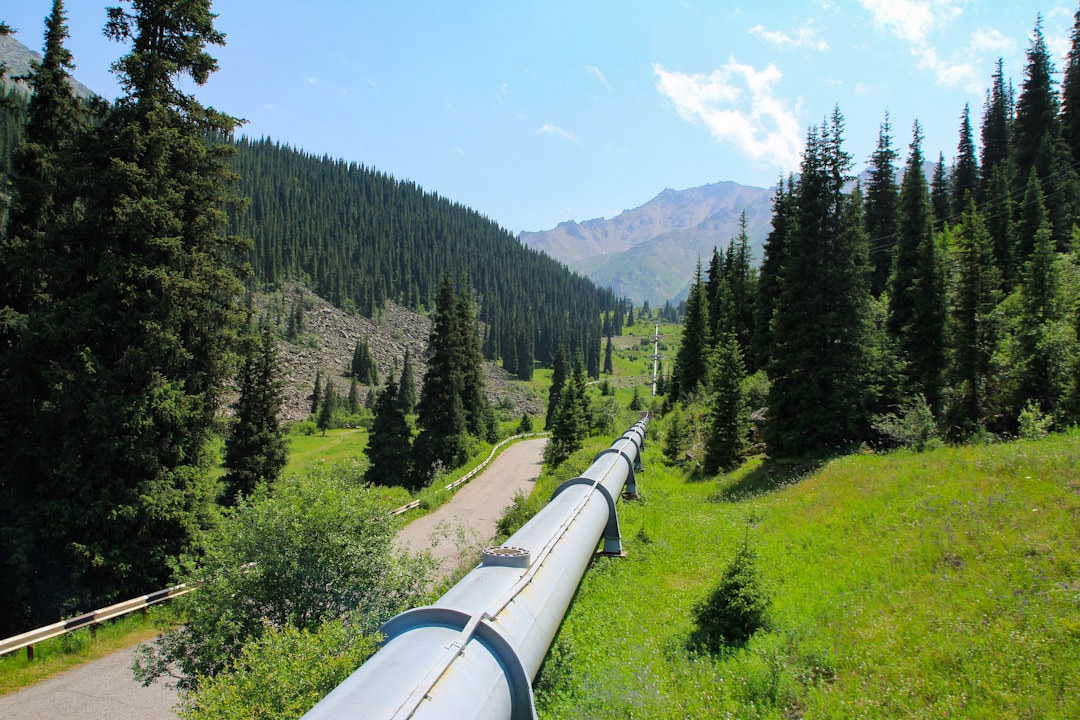
Natural gas lines in my area: 3 Crucial Steps!
Why Knowing About Natural Gas Lines in Your Area Matters
Natural gas lines in my area are the infrastructure bringing efficient energy to your home for heating, cooking, and hot water. Checking for availability is the first step toward potentially lowering your energy bills and upgrading your appliances.
Quick Answer: How to Check for Natural Gas in Your Area
- Visit your local utility company’s website – Use their service area checker tool with your address or ZIP code.
- Check the National Pipeline Mapping System (NPMS) – View transmission pipeline locations (accuracy within 500 feet).
- Call 811 before any digging – Get exact locations of underground lines marked for free.
- Contact your utility provider directly – Speak with a representative about service availability.
If natural gas is available: You can start new service, transfer existing service, or install new gas lines for appliances.
If natural gas is not available: Your area may be served by propane or electricity. Check back periodically as service territories expand.
Natural gas powers furnaces, water heaters, stoves, and grills. It’s often more cost-effective than electricity and provides reliable heating during power outages. Utilities describe it as a comfortable heat source that can reduce operating costs and your carbon footprint.
Before enjoying these benefits, you must confirm the infrastructure reaches your street. This means understanding the pipeline network, identifying your utility provider, and verifying your property can be connected.
How to Check for Natural Gas Lines in My Area
Finding out if natural gas lines in my area reach your home is simple. For residents in Riverside, Corona, Fountain Valley, or anywhere in Orange County, there are three reliable ways to check.
Step 1: Use Online Utility Service Checkers
Your local utility’s website is the easiest place to start. They make it simple to check service availability for your address. In Southern California, visit the SoCalGas website and look for a “Check Service Availability” tool. Enter your address, and you’ll quickly find out if service is available.
These tools check the distribution lines that connect directly to homes. If service is available, you can typically start new service or transfer service directly on their website.
While we’ve linked to an example of a utility availability tool to show you how these systems typically work, remember to use your own local utility’s specific tool for the most accurate information about your property.
Step 2: Using Online Maps to Find Natural Gas Lines in My Area
For a broader view of regional infrastructure, the National Pipeline Mapping System (NPMS) is a useful tool. This free online map from the U.S. Department of Transportation shows major pipelines nationwide.
Using The NPMS Public Map Viewer, you can see large, high-pressure transmission pipelines that move gas over long distances, along with LNG plants and storage facilities.
The NPMS shows large transmission lines (like highways), not the smaller distribution lines (like neighborhood streets) that connect to your home. The map also has a geospatial accuracy of +/- 500 feet and zoom limitations for security, so it can’t pinpoint exact locations.
The NPMS provides context and operator contact information, but for home service availability, rely on your utility’s checker (Step 1).
Step 3: Confirming Natural Gas Lines in My Area Before You Dig
Before any digging project—like planting a tree or building a fence—you must call 811.
Calling 811 connects you to a free service that dispatches professional locators to mark underground utilities on your property, including natural gas lines in my area, electrical cables, and water pipes. This is required by law and is crucial for excavation safety. Hitting a gas line can cause explosions, fires, and costly damage.
This free service provides property-specific information, marking the exact path of utilities on your land, which is far more precise than online maps. The rule is simple: call 811 before you dig, wait for the marks, and then proceed with caution. It’s the most important step for yard work safety.
Understanding the Natural Gas Network
The system that delivers natural gas lines in my area is a complex network. Understanding how it works helps when checking availability in Riverside, Orange County, Corona, or Fountain Valley.
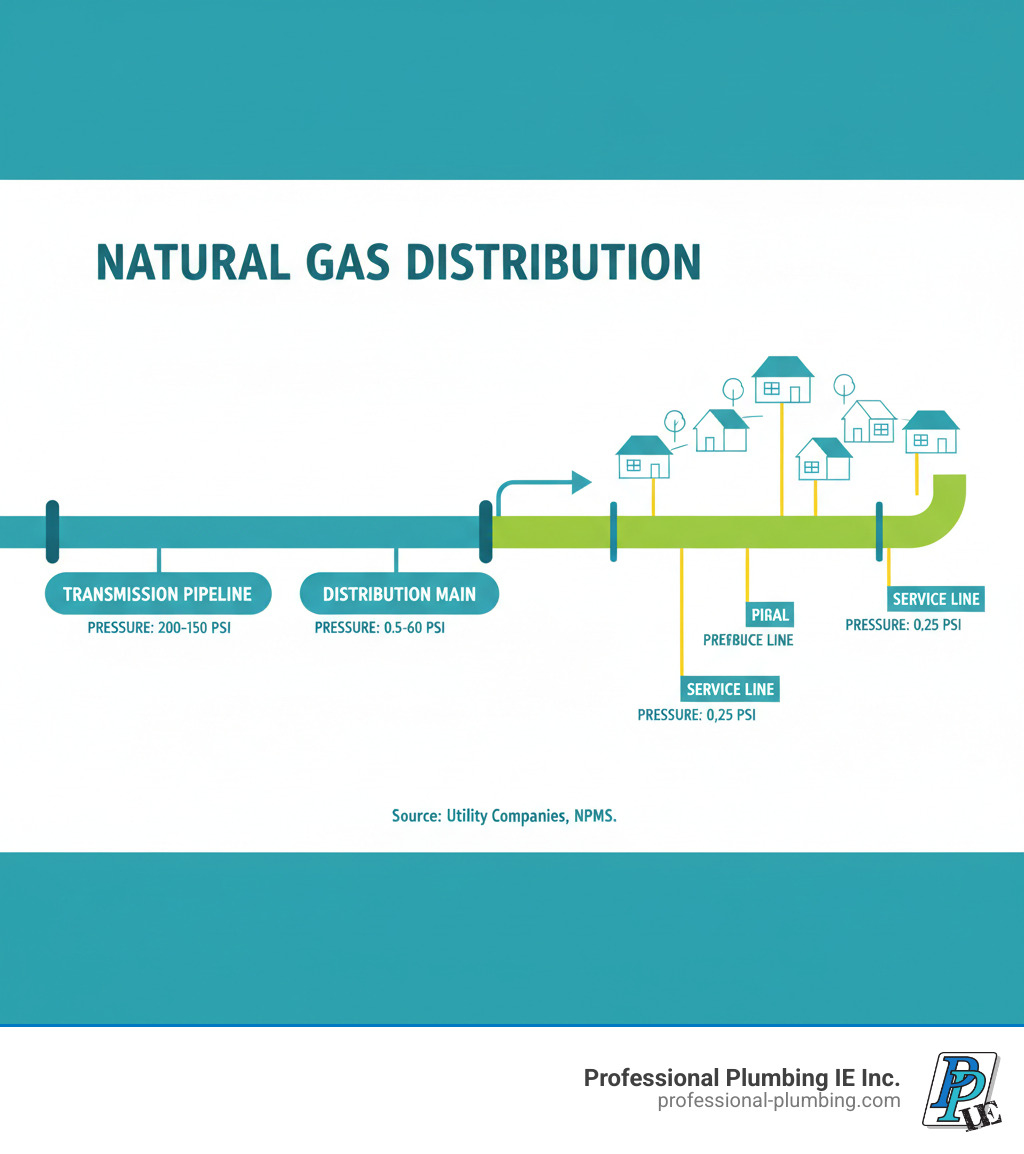
Transmission vs. Distribution Pipelines
The natural gas network has three main levels:
- High-pressure transmission lines are large pipes that move gas across states at high pressure (over 1,000 PSI), like interstate highways. These are what you see on the NPMS.
- Lower-pressure distribution mains are medium-sized pipes running under local streets. The pressure is reduced for safety, and these mains determine if your street has gas service.
- Service lines to homes are the smallest pipes, branching from the main to your gas meter. As a homeowner, you are typically responsible for the lines from the meter into your house.
Along major pipeline routes, you might notice pipeline markers.

These markers indicate the product type, operator’s name, and an emergency contact number. They only show the general location of a pipeline, not the exact path. Never use them for digging guidance; always call 811.
Common Causes of Gas Line Damage
While durable, gas lines aren’t indestructible. Understanding common causes of damage highlights the need for professional installation and maintenance.
- Corrosion: Moisture and minerals in soil can eat away at metal pipes over time. Utilities monitor and replace aging sections in corrosive soil areas.
- Weather Events and Earthquakes: In California, seismic activity can shift or rupture gas lines. Extreme temperature swings can also stress pipes.
- Accidental Damage from Digging: This is the most preventable cause. Hitting a gas line while digging without calling 811 first can lead to catastrophic explosions, fires, and injuries.
- Dried Out Seals: In older homes, seals at pipe connections can crack, creating small leaks.
- Aging Infrastructure: Underground gas lines don’t last forever. Older pipes can become brittle and vulnerable, which is why utilities have replacement programs.
Understanding these risks allows you to take precautions, like calling 811 and scheduling periodic inspections with a professional plumber to keep your family safe.
Essential Natural Gas Safety Protocols
With natural gas, safety is everything. Knowing how to spot and react to a potential leak protects your family and property. Here’s what you need to know about recognizing leaks and how utilities manage them.
Recognizing and Reporting a Gas Leak
Natural gas is odorless, so utilities add a harmless chemical called mercaptan to give it a distinctive “rotten egg” smell for easy leak detection.
Other warning signs include a hissing or whistling sound, dead or discolored vegetation near a gas line, bubbling water in puddles, or appliances with a yellow or orange flame instead of a steady blue one.

If you suspect a gas leak, evacuate immediately. Get everyone away from the area. Do not use light switches, phones, or appliances, as they can create a spark. Leave the door open as you exit. From a safe distance, call 911 and then your utility’s emergency number. Do not return until emergency personnel declare it’s safe. Your life is more important than any property.
For a more detailed guide, see our resource on What to Do If You Suspect a Gas Leak.
How Utilities Manage Leaks
Utilities take leaks seriously, with 24/7 crews and protocols to respond to every report. They use a leak classification system to prioritize responses:
- Type 1 leaks are the most serious, posing an immediate threat. They receive continuous attention until permanent repairs are made.
- Type 2 leaks are non-hazardous but are monitored and scheduled for repair, typically within a year, to ensure they don’t worsen.
- Type 3 leaks are the lowest priority. These non-hazardous leaks are monitored annually but may not require immediate repair.
For any indoor leak, the gas is shut off until a qualified professional makes repairs. This system ensures the most dangerous leaks are addressed first, keeping communities in Riverside, Orange County, Corona, and Fountain Valley safe from problems with natural gas lines in my area.
From Availability to Installation: Getting Connected
Once you’ve confirmed natural gas lines in my area are available, the next step is getting connected. Here’s how to get that efficient energy flowing into your home.
Starting Service and Installing New Lines
To start, contacting your local natural gas utility provider (like SoCalGas in Southern California) is your first step. They will guide you through the application and schedule the connection to your meter.
Common reasons for installing new gas lines include:
- New Construction: Building a new home or a large addition requires new gas lines for appliances.
- Fuel Switching: Switching from oil or electric to natural gas can significantly reduce energy costs and requires new line installation.
- Appliance Upgrades: Adding a tankless water heater, gas range, or outdoor kitchen may require new or resized gas lines to handle the load.
- Replacing Old Lines: Corroded, outdated, or non-compliant gas lines should be replaced for safety and cost-effectiveness, especially if frequent repairs are needed.
After the utility connects gas to your meter, understand your home’s system. Read our guide on How to Locate and Shut Off Your Natural Gas Line to learn this critical safety information.
The Role of Professional Plumbers
The utility handles the gas line to your meter, but everything from the meter into your home is your responsibility. This work must be done by a qualified professional.
Gas line work is never a DIY project. It is highly flammable and explosive. Improper installation can lead to fires, explosions, or carbon monoxide poisoning. Professional plumbers ensure your installation meets all local, state, and national building codes. They also handle required permits and inspections, which verify your system’s safety.
Properly connecting gas appliances requires sizing lines for correct pressure and flow rates. Finally, pressure testing with specialized equipment is a critical step to detect any leaks before the system is used.
| Feature | DIY Gas Line Work | Professional Gas Line Work |
|---|---|---|
| Safety | High risk of leaks, explosions, carbon monoxide poisoning | Expert knowledge, specialized tools, adherence to safety protocols |
| Expertise | Limited, potential for critical errors | Highly trained and certified technicians with extensive experience |
| Code Compliance | High risk of non-compliance, fines, unsafe conditions | Guaranteed compliance with all local and national codes |
| Permitting | Often overlooked or improperly handled | Handles all necessary permits and inspections |
| Tools/Equipment | May lack specialized tools for pressure testing, leak detection | Uses professional-grade tools for accurate and safe work |
| Warranty/Insurance | None, homeowner bears all liability | Work is typically guaranteed and fully insured |
| Peace of Mind | Constant worry about safety and functionality | Confidence in a safe, efficient, and compliant system |
At Professional Plumbing IE Inc., we take gas line work seriously. With nearly 40 years of experience in Orange County, Riverside, Corona, and Fountain Valley, our trained team ensures your system is safe and functional. We are fully insured, guarantee our work, and offer affordable rates, giving you peace of mind.
Frequently Asked Questions about Natural Gas Lines
Here are answers to common questions about natural gas lines in my area from homeowners in Riverside, Orange County, Corona, and Fountain Valley.
Who is responsible for repairing the gas line on my property?
Knowing who is responsible for gas line repairs is crucial. The meter is the dividing line between utility and homeowner responsibility.
- The utility company is responsible for the pipeline up to and including the meter. This includes the main under the street and the service line to your meter. They repair these components at no cost to you.
- You, the homeowner, are responsible for all gas lines from the meter to your appliances. This includes all interior piping and connections. For these repairs, you must call a licensed plumber.
What are the benefits of switching to natural gas appliances like tankless water heaters?
Tankless water heaters offer significant benefits for homeowners switching to natural gas.
- Energy Efficiency: Tankless models use 30-50% less energy than tank heaters because they heat water on demand, leading to lower utility bills.
- Longer Lifespan: They last over 20 years, compared to 8-12 for tank heaters. While the upfront cost is higher, the long-term savings and longevity make them a smart investment.
- Endless Hot Water: A properly sized unit provides a continuous supply of hot water, eliminating shortages.
- Space-Saving & Rebates: These compact, wall-mounted units save space. You may also qualify for tax credits or rebates with an ENERGY STAR model.
Choosing the right size for your household’s needs is key to maximizing efficiency and ensuring comfort.
How can I find a qualified professional for gas line installation or repair?
For your safety, hire a qualified professional for gas line work. Here’s what to look for:
- Licensing and Insurance: Ensure the plumber is licensed in California and fully insured. Ask for proof.
- Gas Line Expertise: Choose a plumber who specializes in natural gas lines and has experience with your type of project.
- Reviews and References: Check online reviews and ask for references. A reputable company with a long history, like Professional Plumbing IE Inc., will have a strong track record.
- Code and Permit Knowledge: A qualified pro will be familiar with local codes and handle all necessary permits and inspections. Avoid anyone who suggests skipping this step.
- Written Estimates: Always get a detailed written estimate outlining the scope of work, costs, and fees.
Professional Plumbing IE Inc. has met these qualifications for nearly 40 years. Our licensed, insured team is dedicated to safety, handles all permits, and guarantees our work. We don’t cut corners on gas line safety.
Conclusion
Understanding natural gas lines in my area helps you make informed, safe decisions for your home. We’ve covered how to check for availability, understand the infrastructure, and respond to hazards.
Key takeaways: Use your utility’s online checker for availability, the NPMS for a regional view, and always call 811 before digging. These steps prevent accidents and costly mistakes.
Safety is paramount. If you suspect a leak (smell, hissing, dead plants), evacuate immediately and call 911 from a safe location. Do not attempt repairs yourself; this requires professional attention.
For any installation or repair from the meter to your appliances, professional expertise is essential. DIY gas work is extremely dangerous. A licensed plumber ensures safety, code compliance, and proper permitting.
For residents in Riverside, Orange County, Corona, and Fountain Valley, Professional Plumbing IE Inc. provides expert natural gas line installation and repair services. With nearly 40 years of trusted service, our trained team ensures your home is connected safely and efficiently. Whether you’re building, upgrading, or need an assessment, we’re here to help.



Pingback: Natural Gas Pipe Installation Cost: Your Ultimate 2025 Guide
[…] Utility company policies can vary, so it’s always wise to research your local provider’s terms for new service or extensions. To understand the natural gas infrastructure in your area, you can check for natural gas lines in your area. […]