Wet Spot in Yard: 2 Expert Fixes Solved!
That Persistent Puddle in Your Riverside-Area Yard
A wet spot in yard issues are frustrating problems that plague homeowners throughout the Inland Empire. Here’s what you need to know:
Quick Diagnosis Guide:
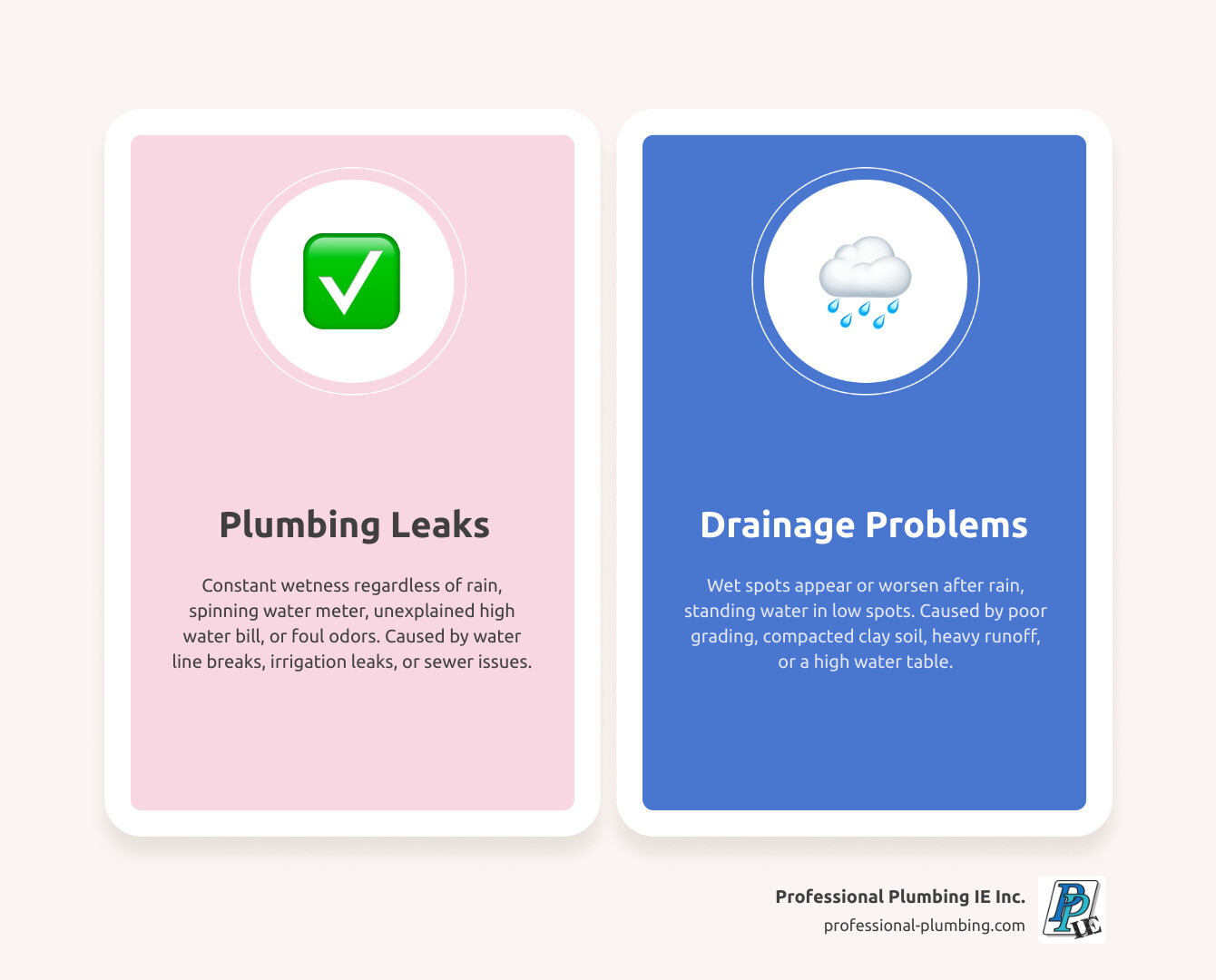
- Constant wetness, even without rain? → Likely a plumbing leak (water line, sprinkler, or sewer)
- Wetness appears or worsens after rain? → Likely a drainage problem (poor grading, compacted soil, clay)
- Check your water meter → If it’s spinning with all water off, you have a leak
- Smell sewage? → Possible sewer line leak (call a professional immediately)
- Spike in water bill? → Strong indicator of an underground water line leak
That squishy patch of grass that never seems to dry out is one of the most common headaches for homeowners from Riverside’s Orangecrest to Norco’s Hidden Valley. Maybe you finded it the hard way—by stepping into it. Or perhaps you’ve watched it grow from a small damp spot into a persistent puddle that threatens your foundation.
The good news? Most yard wet spots fall into two main categories: underground plumbing leaks or surface drainage problems. Understanding which one you’re dealing with is the crucial first step to fixing it.
Ignoring a wet spot isn’t an option for your Inland Empire home. Our local clay-heavy soil and unpredictable weather patterns can turn a minor issue into a major problem. A leaking pipe wastes hundreds of gallons of water and drives up your bill. Poor drainage can breed mosquitoes, damage your foundation, and create dead zones in your lawn.
I’m Chris Kirsten, and over 40 years with Professional Plumbing, I’ve diagnosed countless wet spots in yards throughout Riverside County, from hidden slab leaks to stubborn drainage issues caused by our region’s dense soil. This guide will walk you through the detective work and solutions that actually work for Inland Empire properties.
Wet spot in yard helpful reading:
Step 1: Playing Detective – Is It a Leak or a Drainage Problem?
The first crucial step in solving the mystery of a wet spot in yard is identifying the source. Is it a constant supply of water from a hidden leak, or is it water that simply can’t escape due to poor drainage? We’ve seen it all, from the obvious gush to the insidious seep. Here’s how you can play detective right in your own yard before calling us for professional help.
How to Check for a Plumbing Leak
Plumbing leaks are often the most urgent culprits behind a wet spot in yard because they involve pressurized water constantly flowing, even when it hasn’t rained in weeks. They can originate from your main water line, your irrigation system, or even your septic or sewer system.
-
Main water line leaks: A leak in your main water line is one of the most common causes of a persistent wet spot in yard. Because your main water line is under constant pressure, a leak will spray continuously until it’s fixed. This often results in a larger, more widespread soggy area. If you notice a significant dip in your home’s water pressure or an unexplained spike in your water bill, these are strong indicators that your main water line might be leaking. For more detailed information, check out our guide on main water line leak issues.
-
Sprinkler system leaks: If the soggy area is more focused and perhaps near a sprinkler head or along an irrigation line, your sprinkler system might be the problem. A leak in your irrigation system can cause a smaller, more concentrated pool of water. These leaks often go unnoticed because they only occur when the system runs, but they can still waste a lot of water and create a frustrating wet spot in yard.
-
Septic or sewer line issues: While less common, a leaking septic or sewer system can definitely create a wet spot in yard. The tell-tale sign here is usually a foul, sewage-like odor accompanying the wetness. You might also notice unusually green or brightly colored grass in that specific area, along with puddles that might contain raw sewage. If you suspect a sewer leak, it’s critical to contact us immediately due to the health risks involved.
-
Checking your water meter for leaks: the water meter test step-by-step: This is perhaps the easiest and most effective DIY test for any plumbing leak causing a wet spot in yard.
- Locate your home’s water meter, usually near the street.
- Check if the leak detection dial (often a small triangle or star-shaped wheel) is spinning. If it is, and you know all water inside and outside your house is turned off, you have a leak.
- If there’s no leak detection dial, or it’s not moving, turn off all water-using appliances and faucets in your home.
- Record the exact numbers on your water meter.
- Wait for 15-30 minutes (or even an hour for a slower leak), ensuring no water is used during this time.
- Check the meter again. If the numbers have changed, you have a leak somewhere on your property. This test won’t tell you where the leak is, but it confirms one exists. For pinpoint accuracy, you’ll need professional leak detection in Riverside.
-
Unexplained spike in your water bill: We’ve seen countless homeowners from Corona to Jurupa Valley call us after receiving a shockingly high water bill. This is a clear red flag for an underground leak. While not a definitive diagnostic, it’s a strong indicator that something is amiss, especially if your water usage habits haven’t changed.
-
Drop in water pressure: A sudden and noticeable drop in your home’s water pressure can also point to a significant leak in your main water line, where water is escaping before it reaches your faucets and fixtures.
-
Foul odors indicating a sewer line problem: As we mentioned, a persistent, unpleasant odor, often described as rotten eggs or sulfur, is a strong sign of a sewer line leak. Sewer lines carry waste, and any breach can cause not only a wet spot in yard but also significant health hazards.
-
Isolating your irrigation system to check for leaks: If your water meter test indicates a leak, but you suspect it’s your sprinkler system, here’s how to narrow it down:
- Locate your sprinkler system’s control box, usually containing ball valves.
- Turn off the ball valves to shut off the water supply specifically to the sprinkler system.
- Repeat the water meter test (Steps 3-6 above). If the meter stops moving after shutting off the irrigation, the leak is within your sprinkler system. If it continues to move, the leak is elsewhere, likely your main water line.
How to Identify a Yard Drainage Problem
Unlike plumbing leaks, drainage problems typically manifest after rainfall or excessive irrigation. The water isn’t supplied by a constant source; it’s simply not leaving the area efficiently.
-
Wet spots that appear or worsen after rain: This is the most obvious sign of a drainage issue. If your yard remains soggy for several days after a rainstorm, even when neighboring yards are dry, you likely have a drainage problem. Normal yards should dry out within a day or two.
-
Poor grading as a top cause: In our experience, especially in areas like Eastvale and Norco, poor grading is the top cause of flooding or pooling in yards. If your yard slopes towards your house’s foundation instead of away from it, or if it’s generally flat without sufficient channels for water runoff, water will naturally collect.
-
Compacted soil, common in new developments in Eastvale: New developments often involve heavy machinery, which can severely compact the soil. When soil is compacted, it’s dense and has very little space for air and water to penetrate. This means rainwater just sits on the surface, creating a wet spot in yard. Our local clay soils also contribute to this problem, naturally inhibiting water infiltration.
-
Heavy clay soil prevalent in the region: The Inland Empire is known for its heavy clay soils. While nutrient-rich, clay soil drains very slowly compared to sandy or loamy soils. This means that even with proper grading, a significant rainfall can leave your yard saturated for an extended period, creating a wet spot in yard that seems to take forever to dry.
-
Runoff from downspouts or neighboring properties: Take a look at where your gutter downspouts discharge. If they’re dumping large volumes of water directly onto a flat or poorly draining section of your yard, that’s a likely culprit. Similarly, if your property is at the bottom of a slope and receives runoff from a neighbor’s yard, that can contribute to a chronic wet spot in yard.
-
Low spots in the lawn: These are the classic culprits for puddles. If there’s a visible depression in your lawn, water will naturally collect there after rain. Over time, this constant saturation can kill grass and create a muddy, unsightly mess.
-
Signs of a high water table, especially in areas closer to the Santa Ana River: Sometimes, the problem isn’t just surface water; it’s water coming up from below. If your property is in a low-lying area, particularly closer to the Santa Ana River or other natural waterways, you might have a naturally high water table. This means the groundwater is very close to the surface, especially during rainy seasons. Signs can include perpetually wet areas that don’t seem to respond to surface drainage fixes, or even the presence of crawfish holes, which indicate proximity to a stream or swamp. Wet areas that persist for months or are always present, independent of recent rainfall, can also indicate naturally occurring high groundwater.
Step 2: Finding the Right Fix for the Wet Spot in Your Yard
Once you’ve successfully played detective and diagnosed the general cause of your wet spot in yard, you can explore the most effective solutions. These range from simple DIY fixes you can tackle over a weekend to more complex installations that require professional expertise. Matching the solution to the specific problem is crucial for a lasting dry, healthy lawn.
Solutions for Plumbing Leaks
If your detective work points to a plumbing leak, our advice is always to call us sooner rather than later. These issues can escalate quickly, leading to costly water damage and higher utility bills.
| Metric | Spot Repair | Full Pipe Replacement |
|---|---|---|
| Cost | \$3,000-\$8,000 | \$10,000-\$30,000 |
| Timeframe | 1-3 days | 3-7 days |
| When It’s Needed | Leaks under 10 feet, localized damage | Extensive damage (10-50+ feet), old/degraded pipes (e.g., Quest pipes), frequent leaks |
Note: These costs are estimates and can vary widely based on pipe depth, location, soil conditions, and specific market factors in the Inland Empire.
-
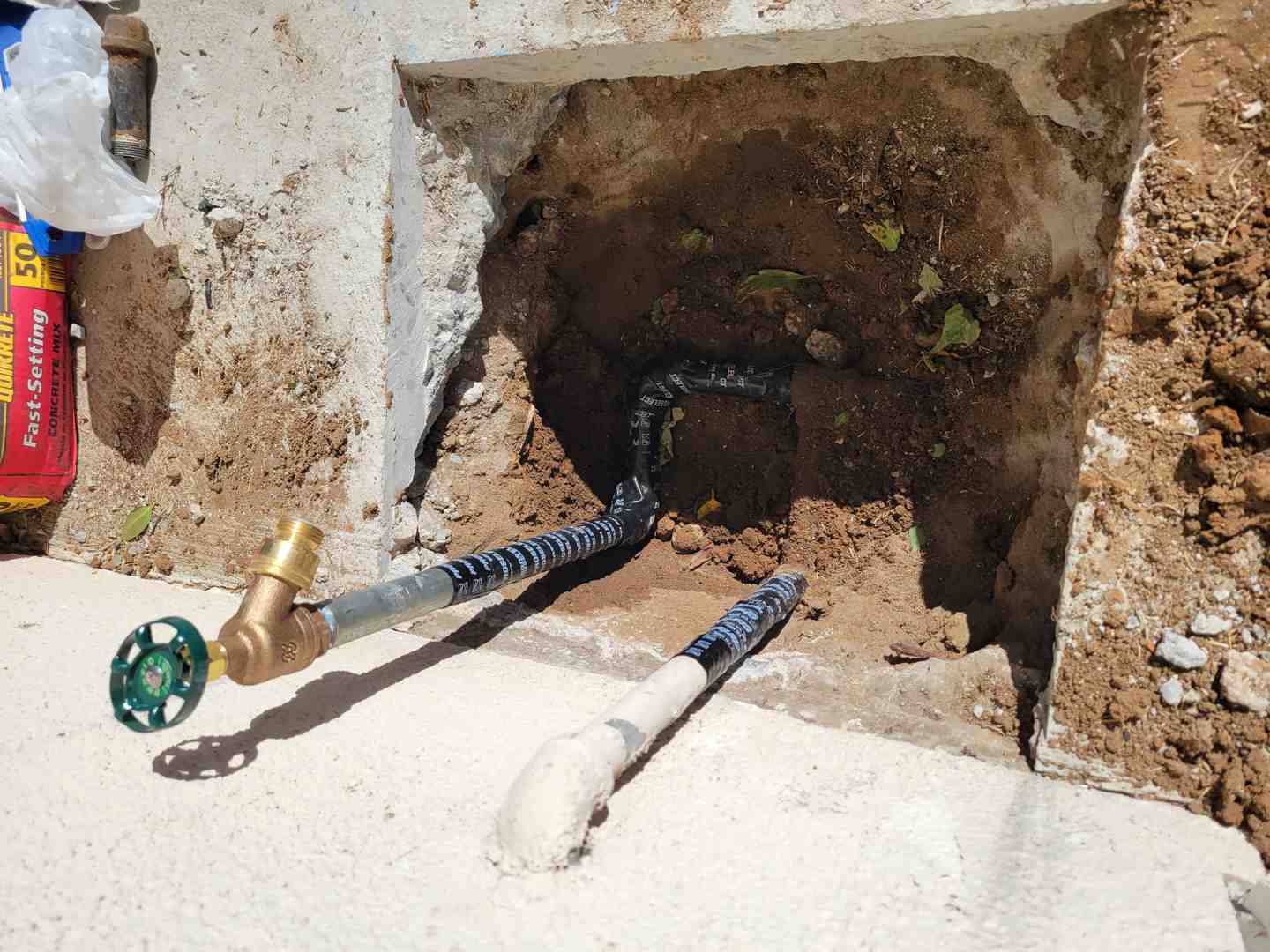
The importance of durable pipe materials like Schedule 40 PVC: When we perform repairs, we always recommend and use durable materials. Schedule 40 PVC pipe is renowned for its longevity, anti-corrosive properties, and chemical resistance. It can last 75-100 years with regular maintenance and cleaning, making it an excellent choice for repairs or replacements in our Riverside-area homes, especially with our diverse soil conditions.
-
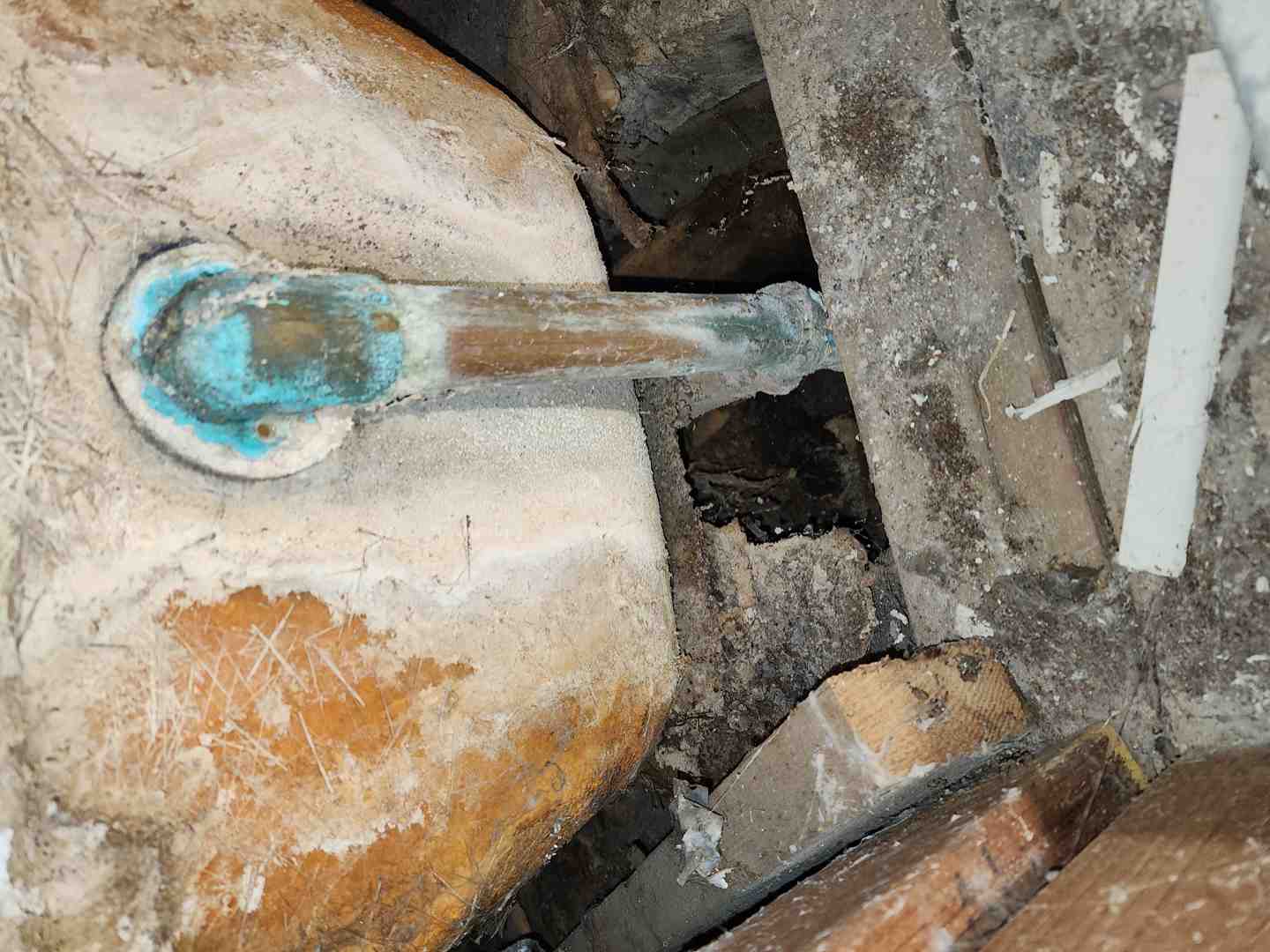
The danger of old polybutylene “Quest” pipes: If your home was built between the late 1970s and mid-1990s, you might have polybutylene pipes, often known by the brand name “Quest.” These pipes are prone to material degradation, oxidization, and sudden leaks or bursts. We’ve seen homes in Corona and Norco with these older pipes experience catastrophic failures. If you have Quest pipes, your entire water line must be replaced, as partial repairs are often just a temporary fix for a system destined to fail. The company that manufactured them even went out of business due to class-action lawsuits over their failures.
-
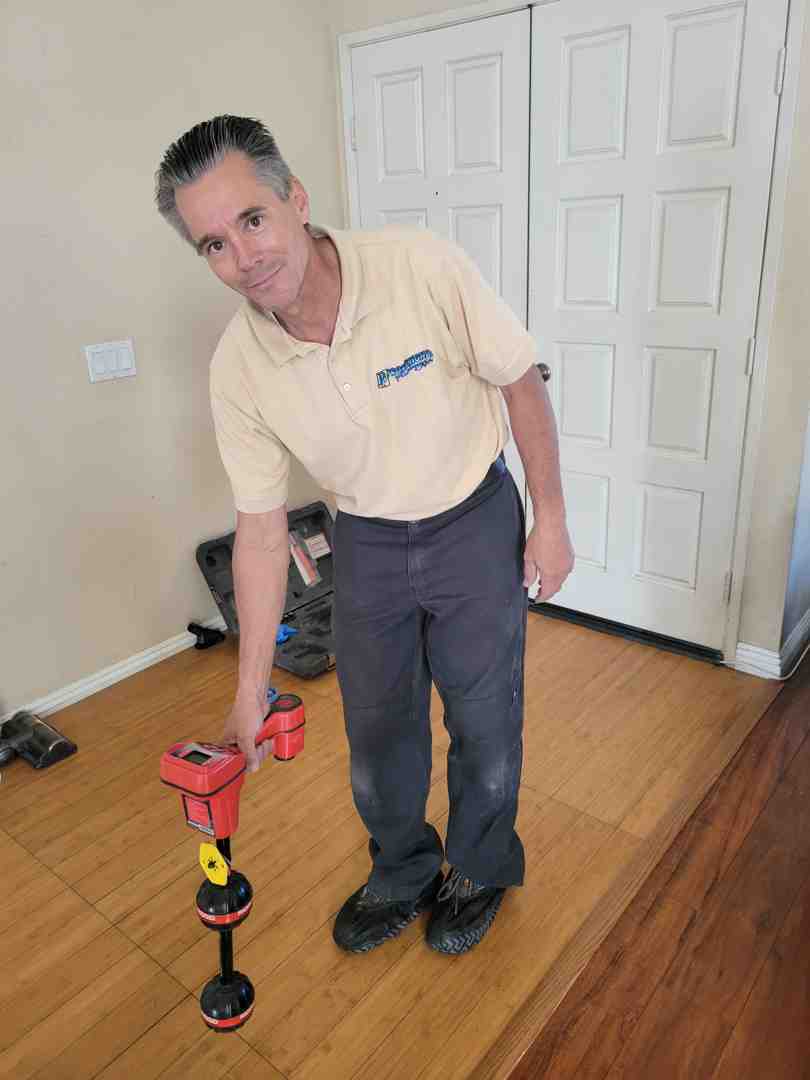
When to call for professional leak detection in Riverside: Once you’ve confirmed a leak with your water meter test, pinpointing its exact location can be challenging, especially for underground pipes. That’s where we come in. Our team uses advanced tools like acoustic leak detection (listening for the sound of escaping water), electronic leak detection (sensing conductivity changes), and even infrared thermography (detecting temperature differences in the soil) to locate leaks precisely without extensive digging. This saves you time, money, and damage to your yard. We provide expert leak detection in Riverside and surrounding cities.
-
Understanding slab leak repair: Sometimes, a wet spot in yard is actually an indicator of a slab leak—a leak in the plumbing pipes located beneath your home’s concrete slab foundation. While not directly in the yard, the water can migrate outwards and surface nearby. These require specialized detection and repair techniques to protect your home’s structural integrity.
-
Tree root intrusion as a common cause of pipe damage: Our beautiful Inland Empire trees, while providing shade and beauty, can also be notorious for damaging underground pipes. Tree roots are constantly seeking water, and even a tiny crack in a pipe can attract them. They can exert serious pressure on underground pipes, causing them to crack, burst, or become completely clogged. We often see this as an underlying cause for recurring leaks, particularly in older homes with mature trees.
Solutions for Poor Yard Drainage
If your wet spot in yard is a drainage issue, you have a range of options, from simple DIY improvements to more extensive landscaping projects.
Simple Fixes:
-
Aerating the lawn: For compacted soil, particularly common in Eastvale, aeration is a fantastic first step. We recommend aerating your lawn once a year if you have heavy clay soil. This process involves pulling out small plugs of soil, which reduces compaction and creates channels for water and air to penetrate more easily. The result? Water percolates through the soil faster, and your lawn gets the oxygen it needs to thrive. Ensure your soil is moist but not soggy before aerating for the best results.
-
Amending clay soil with compost or gypsum: Our local clay soils in Riverside, Corona, and Norco can be a real challenge. To improve drainage, you can amend the soil with organic matter like compost or organic mulches. Compost adds beneficial microbes and improves soil structure, allowing for better water absorption. Gypsum is another excellent soil amendment that helps break up and loosen compacted clay soil. Apply it as directed by the manufacturer, usually by spreading it over the affected area and watering it in.
-
Redirecting downspouts away from the foundation: This is a simple solution. If your gutter downspouts are dumping rainwater directly onto a soggy area or too close to your home’s foundation, simply adding extensions can make a huge difference. Use 4-inch PVC pipes to direct the water to a more suitable, well-draining area of your yard, away from any problem spots.
Complex Solutions:
-
Installing a French drain: A French drain is a highly effective solution for collecting and redirecting excess surface and groundwater. It consists of a trench filled with gravel or rock, containing a perforated pipe. Water seeps into the gravel and then into the pipe, which channels it away to a suitable discharge point like a dry well, a storm drain, or a lower-sloped area of your property. For a French drain to work effectively, it requires a minimum downward slope of 1% (about 1 inch for every 10 feet) to rely on gravity for water flow.
-
Building a rain garden with water-loving plants: A rain garden is not only a functional drainage solution but also a beautiful landscape feature. It’s a shallow depression, often with a berm on the downhill side, designed to collect rainwater runoff from your roof, driveway, or other impervious surfaces. Planted with native, water-tolerant species that thrive in both wet and dry conditions, rain gardens allow water to slowly filter into the ground, reducing runoff and even filtering out pollutants. This is an excellent eco-friendly option for properties in the Inland Empire.
-
Regrading the yard for proper slope: If your entire yard has poor grading, leading to widespread pooling or water flowing towards your home’s foundation, regrading might be the most comprehensive and long-term solution. This involves reshaping the landscape to ensure a positive slope that directs water away from your home and towards appropriate drainage areas. While a more involved and potentially costly project, regrading can prevent basement flooding and foundation damage, making it a valuable investment for your Riverside home.
The Hidden Dangers of a Soggy Lawn
A wet spot in yard is more than just an unsightly inconvenience or a squishy surprise underfoot. Left unaddressed, it can pose significant health risks to your family and lead to expensive damage to your home and property. We’ve seen the consequences firsthand, and they’re rarely pretty.

Health and Safety Risks
-
Standing water as a breeding ground for mosquitoes: This is perhaps the most immediate and well-known risk. Even small puddles of standing water provide an ideal breeding ground for mosquitoes. In our Southern California climate, this means a constant supply of these annoying and potentially dangerous insects.
-
Potential for West Nile Virus in Southern California: Mosquitoes aren’t just irritating; they can carry diseases. West Nile Virus is a concern in our region, and a breeding ground in your yard increases the risk of transmission to your family and pets.
-
Risks of pathogens and mold in standing water: Beyond mosquitoes, standing water, especially if it’s from a leaking sewer line or collects pollutants, can harbor harmful pathogens like E. coli, as well as mold and toxic algae. Exposure to these can lead to various health issues, from skin irritation to respiratory problems.
-
Attracting rodents and other pests: A consistently wet environment can also attract rodents and other pests looking for water sources or damp habitats. Nobody wants unwelcome critters near their home.
-
Slip and fall hazards on muddy ground: Simple safety is also a concern. A perpetually muddy wet spot in yard creates a slip and fall hazard, especially for children playing or for anyone walking through the area.
Potential Damage to Your Property
-
Risk of water damage to your home’s foundation: This is one of the most serious long-term consequences. When water constantly pools near your home’s foundation, it can seep into the soil, causing it to expand and contract. This shifting soil can put immense pressure on your foundation, leading to cracks, structural damage, and even slab leak repair issues down the line. We’ve seen how poor grading or a persistent leak can undermine the very stability of a house.
-
Drowning your lawn and creating dead, muddy patches: Grass needs oxygen to survive. A wet spot in yard that remains waterlogged for too long will essentially drown your lawn. The grass roots suffocate, leading to dead, yellow patches, moss growth, and eventually just mud. This also makes your lawn more susceptible to fungal diseases and inhibits its ability to absorb vital nutrients.
-
Soil erosion and loss of topsoil: Excessive or uncontrolled water flow across your yard, particularly on slopes, can lead to significant soil erosion. This washes away valuable topsoil, nutrients, and even exposes tree roots or utility lines.
-
Damage to underground pipes from shifting, waterlogged soil: Constant saturation of the soil can make it unstable. This shifting, waterlogged soil can exert pressure on underground pipes, leading to cracks or even collapsed sections over time. This is especially true for older, more brittle pipes.
-
How a small leak can lead to major house leak repairs: What starts as a small, seemingly insignificant wet spot in yard can quickly escalate. A leaking pipe can waste thousands of gallons of water, driving up your utility bills and potentially causing extensive damage underground before it even becomes visible. The cost of repairing these issues often pales in comparison to the damage caused by neglecting them.
Frequently Asked Questions About Wet Spots in the Yard
What is a French drain and how does it work?
A French drain is an underground drainage system designed to collect and redirect excess surface and groundwater away from a problem area. It typically consists of a trench dug in the ground, lined with landscape fabric, and filled with gravel or rock. A perforated pipe (often called a drain tile) is laid within this gravel bed. Water seeps through the gravel, enters the perforations in the pipe, and is then channeled by gravity through the pipe to a suitable discharge point, such as a dry well, a storm drain, or a lower-lying, well-draining part of your property. For optimal function, a French drain needs a minimum downward slope of about 1% (or 1 inch for every 10 feet).
Can I just plant different grass to fix a wet spot in my yard?
While some grass varieties are more tolerant of wet conditions, simply planting a different type of grass won’t solve the underlying problem of a persistent wet spot in yard. If the wetness is due to a plumbing leak or severe drainage issues like compacted clay soil or poor grading, even water-tolerant grass will struggle to thrive, and the root cause of the problem will remain. A better landscaping approach for persistently wet areas is to build a designated rain garden, using native, water-loving plants that are adapted to fluctuating moisture levels. However, it’s always best to address the core issue—whether it’s a leak or a drainage problem—first.
How do I know if the leak is my responsibility or the city’s?
This is a common question, and the answer typically depends on the location of your water meter. Generally, homeowners in Riverside, Corona, Eastvale, and Norco are responsible for the water line running from their water meter to their house. The city or local water authority is usually responsible for the main water line in the street and the service line leading up to your water meter. If your water meter test (as described earlier) indicates a leak, and you suspect it’s on the city’s side (e.g., before the meter), you should contact your local water authority immediately. They can often perform additional tests and will be responsible for repairs if the leak is on their portion of the line. If the leak is between the meter and your home, it falls under your responsibility.
Your Next Step to a Dry, Healthy Lawn
Don’t let a mysterious wet spot in yard ruin your landscape or threaten your home’s foundation. By following these diagnostic steps, you can pinpoint the cause, empowering you to choose the right solution. Whether it’s a simple DIY drainage fix or a hidden plumbing issue, taking prompt action is key to protecting your property and preserving your peace of mind.
For persistent leaks, complex drainage problems, or when you simply need an expert diagnosis you can trust, the experienced team at Professional Plumbing is ready to help. With nearly 40 years of serving homeowners throughout the Inland Empire, we provide expert plumbing services in Riverside and the surrounding communities, including Corona, Eastvale, and Norco. We’re here to help you solve the mystery and restore your yard to its dry, healthy best.