Water Heater Services: 5 Expert Reasons You’ll Love
Why Local Water Heater Services Matter for Your Riverside Home
Water heater services include installation, repair, replacement, and maintenance of residential and commercial water heating systems. These services address common issues like:
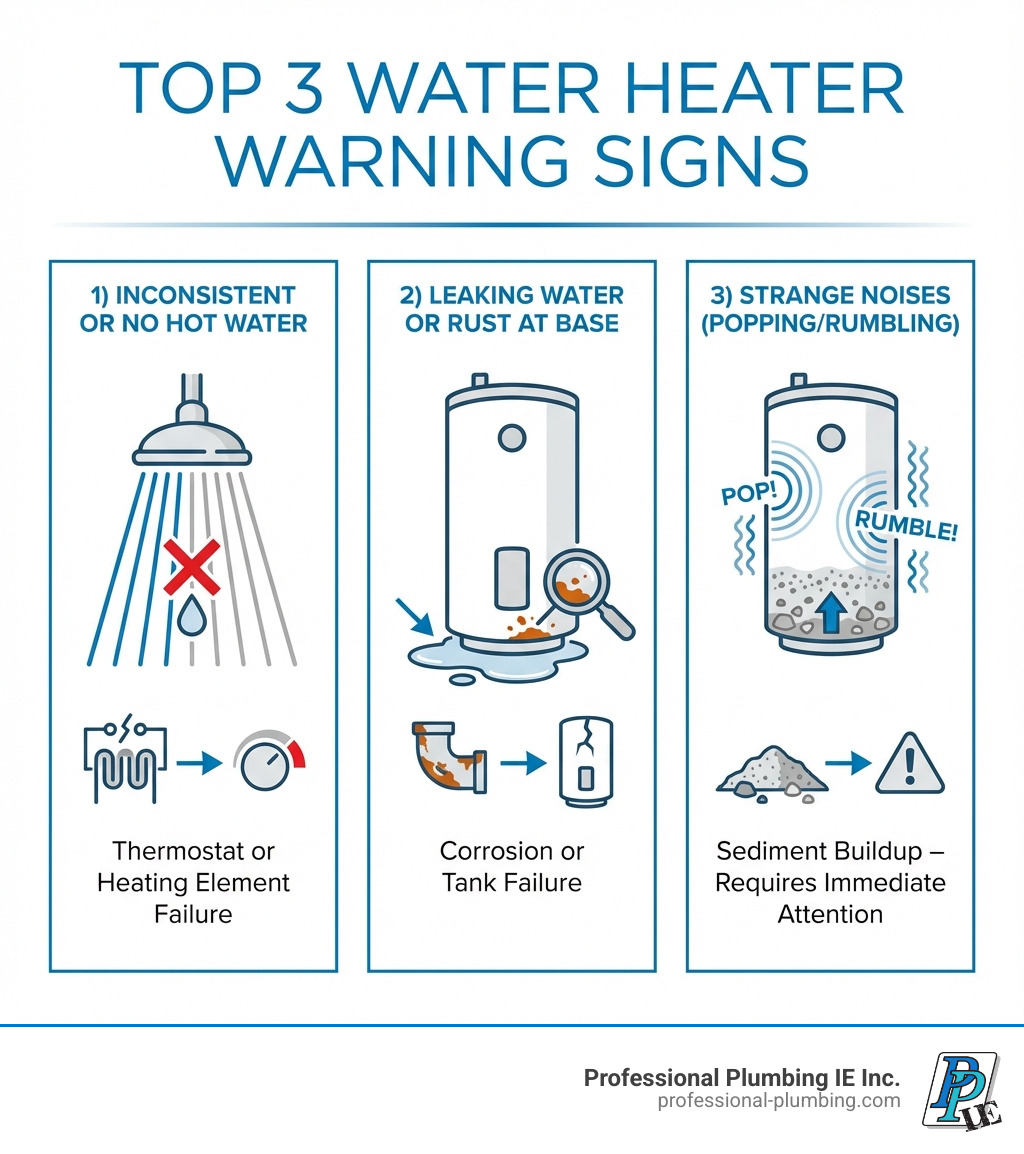
- No hot water – Heating element failure, thermostat issues, or pilot light problems
- Inconsistent temperatures – Thermostat malfunction or sediment buildup
- Leaking or rusty water – Tank corrosion, failing pressure relief valve, or mineral deposits
- Strange noises – Sediment accumulation causing popping or rumbling sounds
- Rising energy bills – Inefficient operation due to age or poor maintenance
When your water heater fails on a busy morning, your entire routine comes to a halt. No one realizes how much they depend on hot water until it’s suddenly gone—no showers, no dishes, no laundry. It’s not just an inconvenience; it disrupts everything.
Your water heater is working harder than you think. According to the U.S. Department of Energy, heating water accounts for nearly 18% of your monthly energy bill, making it the second-largest expense in your home. That’s why choosing the right water heater and maintaining it properly isn’t just about comfort—it’s about your wallet too.
For Riverside homeowners, understanding when to repair versus replace, which system fits your household needs, and how to maximize efficiency can save thousands of dollars over the life of your water heater. Local water heater services provide the expertise to guide these decisions while ensuring safe, code-compliant installation.
I’m Chris Kirsten, and I’ve spent years helping Riverside County homeowners steer water heater services through Professional Plumbing IE Inc., backed by our parent company’s nearly 40 years of honest plumbing service across Southern California. Whether you’re facing an emergency repair or planning an upgrade, understanding your options makes all the difference.
Reason 1: Prompt & Reliable Problem Solving
When your water heater decides to take an unexpected vacation, leaving you with a cold shower, you need help, and you need it fast. That’s where professional water heater services truly shine. We understand the urgency of a plumbing emergency, especially when it involves your hot water supply. Our team is ready to provide rapid response and expert diagnosis to get your system back up and running.
Imagine waking up to no hot water on a chilly morning in Eastvale or a leaking tank in your Corona garage. These aren’t just minor annoyances; they’re emergencies that can disrupt your entire day and potentially lead to costly water damage. Our professional technicians are trained to quickly identify the root cause of the problem, whether it’s a simple fix or a more complex issue. We’ve seen it all in our nearly 40 years of service across Riverside, Norco, Jurupa Valley, and Mira Loma, and we pride ourselves on delivering solutions that are not only effective but also lasting. We believe in getting it right the first time, ensuring your peace of mind.
Common Signs Your Water Heater Needs Professional Service
Your water heater often gives you clues before it completely breaks down. Paying attention to these warning signs can save you from a full-blown emergency and potentially prevent extensive damage to your home. Here are some of the most common indicators that it’s time to call in the experts for water heater services:
- No Hot Water or Insufficient Hot Water: This is perhaps the most obvious sign. If your hot water runs out quickly, or if you’re only getting lukewarm water, it could signal a problem with the heating element, thermostat, or a tank that’s too small for your household’s needs. This is a clear indicator that your system isn’t keeping up, and you can learn more about these issues on our page about Signs that your water heater needs repair Pt. 1.
- Inconsistent Temperatures: Do your showers alternate between scalding hot and icy cold without warning? This can be a sign of a faulty thermostat or sediment buildup in the tank interfering with the heating process.
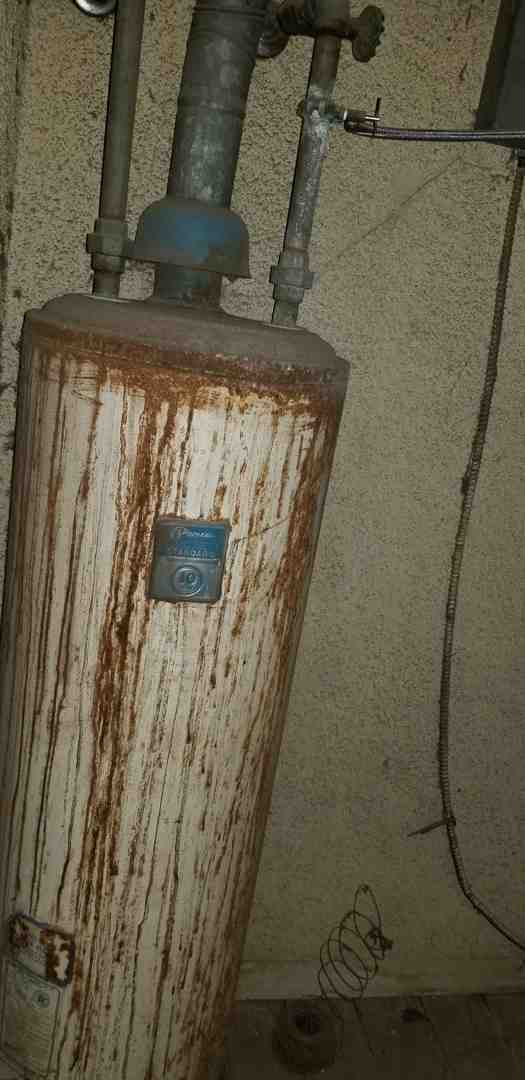
- Leaks or Pooling Water: Any water around the base of your water heater is a red flag. Leaks can indicate corrosion, a failing pressure relief valve, or a crack in the tank itself. While small leaks might seem manageable, they can quickly escalate and cause significant water damage. Leaks are rarely cost-effective to repair, often signaling it’s time for a replacement.
- Rusty or Discolored Water: If your hot water appears brownish, rusty, or has a metallic odor, it could mean that the inside of your water tank is corroding. This is a serious issue that can compromise your water quality and the structural integrity of your unit.
- Strange Noises: Water heaters aren’t typically silent, but loud banging, popping, rumbling, or hissing sounds are not normal. These noises often indicate sediment buildup at the bottom of your tank, which can reduce efficiency and lead to premature failure. Ignoring these sounds can lead to bigger problems down the line, as detailed in Signs that your water heater needs repair Pt. 2.
If you notice any of these signs, don’t hesitate to reach out. Our team is equipped to handle all these issues, ensuring your water heater operates safely and efficiently.
Quick DIY Troubleshooting Before You Call
While we’re always here to help, sometimes a quick check can resolve minor issues before you need to call a professional. Before picking up the phone for water heater services, here are a few simple troubleshooting steps you can try:
- Check the Pilot Light (Gas Water Heaters): If you have a gas water heater and no hot water, check to see if the pilot light has gone out. Refer to your owner’s manual for instructions on how to safely relight it.
- Check the Circuit Breaker (Electric Water Heaters): For electric water heaters, a lack of hot water could be due to a tripped circuit breaker. Check your electrical panel and reset any tripped breakers.
- Temperature Setting Adjustment: Sometimes, the thermostat might have been accidentally bumped or set too low. Ensure your thermostat is set to around 120°F (49°C) for optimal balance between safety and energy efficiency.
- Flushing the Tank for Sediment: If you’re hearing rumbling noises or noticing discolored water, sediment buildup might be the culprit. Periodically flushing your water heater tank can help remove these deposits. We recommend doing this annually as part of routine maintenance. Remember to always follow safety precautions, including turning off the power or gas supply and cold water inlet before you begin.
These simple steps can often resolve common issues. However, if problems persist or you’re unsure, it’s always best to call our professional water heater services team for a thorough inspection.
Reason 2: Expert Guidance to Find Your Perfect Match
Choosing a new water heater isn’t a one-size-fits-all decision. With so many options on the market, it can feel overwhelming. That’s where our expert guidance comes in. We’ll help you steer the choices, considering your household’s unique needs, your budget, and your long-term energy goals.
When we help you choose a new water heater in Eastvale, Riverside, or any of our service areas, we consider several key factors. This includes the size of your household, your typical hot water usage, the available fuel types (gas or electric), and your desired energy efficiency. We want to find your perfect match, a system that provides reliable hot water without breaking the bank on utility bills.
Main Types of Water Heaters Explained
Let’s explore the main types of water heaters you might consider for your home:
- Conventional Storage Tank Water Heaters: These are the most common type, featuring a large, insulated tank that stores and preheats water. They come in various sizes, typically 40, 50, or up to 80 gallons, and are available in both gas and electric models. They are generally more affordable upfront and good for high usage demands, providing a ready supply of hot water.
- Tankless (On-Demand) Water Heaters: As the name suggests, these units don’t store water. Instead, they heat water only when you need it, as it flows through a heating element. This on-demand heating can lead to significant energy savings, as they aren’t constantly heating a tank of water. They are compact, saving valuable space, and provide a continuous supply of hot water, so you never run out. For more details on these innovative systems, explore The benefits of tankless water heaters.
- Heat Pump (Hybrid) Water Heaters: These highly efficient electric water heaters use a heat pump to extract heat from the air and transfer it to the water in the tank, rather than generating heat directly. They use significantly less electricity than conventional electric models and are an excellent option for homeowners looking to reduce their energy footprint and save on bills.
- Solar Water Heaters: Using the power of the sun, solar water heaters use roof-mounted solar thermal collectors to heat water, which is then stored in a tank. These systems can drastically reduce your water heating costs, especially in sunny climates like Southern California. They often require a conventional backup system for cloudy days or high demand.
- Condensing Water Heaters: These are high-efficiency gas water heaters that capture heat from exhaust gases that would normally be vented. This recovered heat is then used to preheat the incoming cold water, making them significantly more efficient than standard gas models. They are particularly effective for homes with high hot water demands.
Tank vs. Tankless Water Heaters
The choice between a tank and tankless water heater is one of the most common dilemmas homeowners face. Here’s a comparison to help you weigh your options:
| Feature | Conventional Storage Tank Water Heater | Tankless (On-Demand) Water Heater |
|---|---|---|
| Upfront Cost | Generally lower, starting from around $900 for unit and installation. | Higher initial investment, typically starting from $1,800. |
| Operating Cost | Higher, as it constantly heats a stored volume of water. | Lower, as it only heats water when needed, saving energy. |
| Lifespan | Typically lasts 8 to 12 years. | Often operates for 15 to 20 years. |
| Hot Water Supply | Limited by tank capacity; can run out during peak demand. | Continuous and endless supply of hot water. |
| Space | Requires significant space for the large tank. | Compact, wall-mounted unit, saving valuable floor space. |
| Energy Savings | Less energy-efficient due to standby heat loss. | Can reduce energy consumption by as much as 30% compared to tanks. |
While tankless units have a higher upfront cost, many homeowners in Jurupa Valley, Mira Loma, and beyond find them a worthwhile investment due to their significant energy savings over their longer lifespan.
Reason 3: Comprehensive Water Heater Services for Every Budget
Understanding the costs involved in water heater services—whether it’s for a repair, replacement, or installation—is crucial for every homeowner. We believe in transparency and working with your budget to find the best solution.
The cost of a new water heater, including installation, can vary significantly. For a conventional tank water heater, you might expect costs upwards of $900. Tankless models, while more efficient long-term, typically start from $1,800. These figures include the unit itself and the professional installation. Factors influencing the total cost include the type of water heater, its size, the complexity of the installation (e.g., modifying plumbing or electrical lines), local labor rates, and any necessary permits. We’ll provide a detailed quote so you know exactly what to expect.
Deciding to Repair or Replace Your Water Heater
One of the most common questions we get is, “Should I repair or replace my water heater?” It’s a critical decision that impacts both your immediate finances and long-term comfort. Here’s how we help you make that call:
- Age of the Unit: Most conventional tank water heaters have a lifespan of 8 to 12 years. If your unit is approaching or has exceeded this age, replacement often makes more sense, even for minor issues. Tankless models, with their longer lifespan of 15 to 20 years, might be worth repairing if they are younger.
- Repair Cost vs. Replacement Cost: A good rule of thumb is the “50% rule.” If your water heater is eight years old or older, and the repair cost is 50% or more of the cost of a new unit, replacement is usually the more economical choice in the long run.
- Frequency of Breakdowns: If your water heater constantly needs repairs, those recurring costs can quickly add up. A new, more reliable unit can save you money and headaches.
- Energy Bill Increases: An aging or inefficient water heater can be a silent energy hog. If you’ve noticed a steady increase in your energy bills without a change in usage, your water heater might be working overtime. Upgrading to a more energy-efficient model can lead to significant savings.
For homeowners in Riverside contemplating this decision, our experts are always ready to provide an honest assessment and guidance. You can learn more about replacement options on our page about Water heater replacement riverside.
Understanding Operating Costs and Energy Savings
Beyond the upfront purchase and installation, the operating cost of your water heater can significantly impact your monthly budget. Given that heating water accounts for nearly 18% of a typical home’s energy bill, understanding these costs is vital for homeowners in Corona, Norco, and surrounding areas.
- Gas vs. Electric Operating Costs: In many regions, natural gas is often less expensive per therm than electricity, making gas water heaters generally cheaper to operate than electric models. However, electric water heaters are often more efficient in how they convert energy to heat. Your local utility rates will heavily influence this comparison.
- Tankless Efficiency: Tankless water heaters are champions of energy efficiency because they only heat water on demand. This eliminates standby heat loss—the energy wasted by traditional tanks constantly reheating stored water. This can result in up to 30% energy savings compared to conventional tanks.
- ENERGY STAR® Models: We highly recommend considering ENERGY STAR®-rated systems. These models are certified to be more energy-efficient, offering substantial savings on your utility bills. They are up to 30% more energy efficient than standard hot water tanks, helping you save money while being kinder to the environment. For more insights on how water heating consumes energy, you can refer to information from the U.S. Department of Energy at Heating water energy consumption.
By choosing an energy-efficient water heater and maintaining it properly, you’re not just ensuring comfort; you’re making a smart financial decision for your home.
Reason 4: Professional Workmanship & Safe Installation
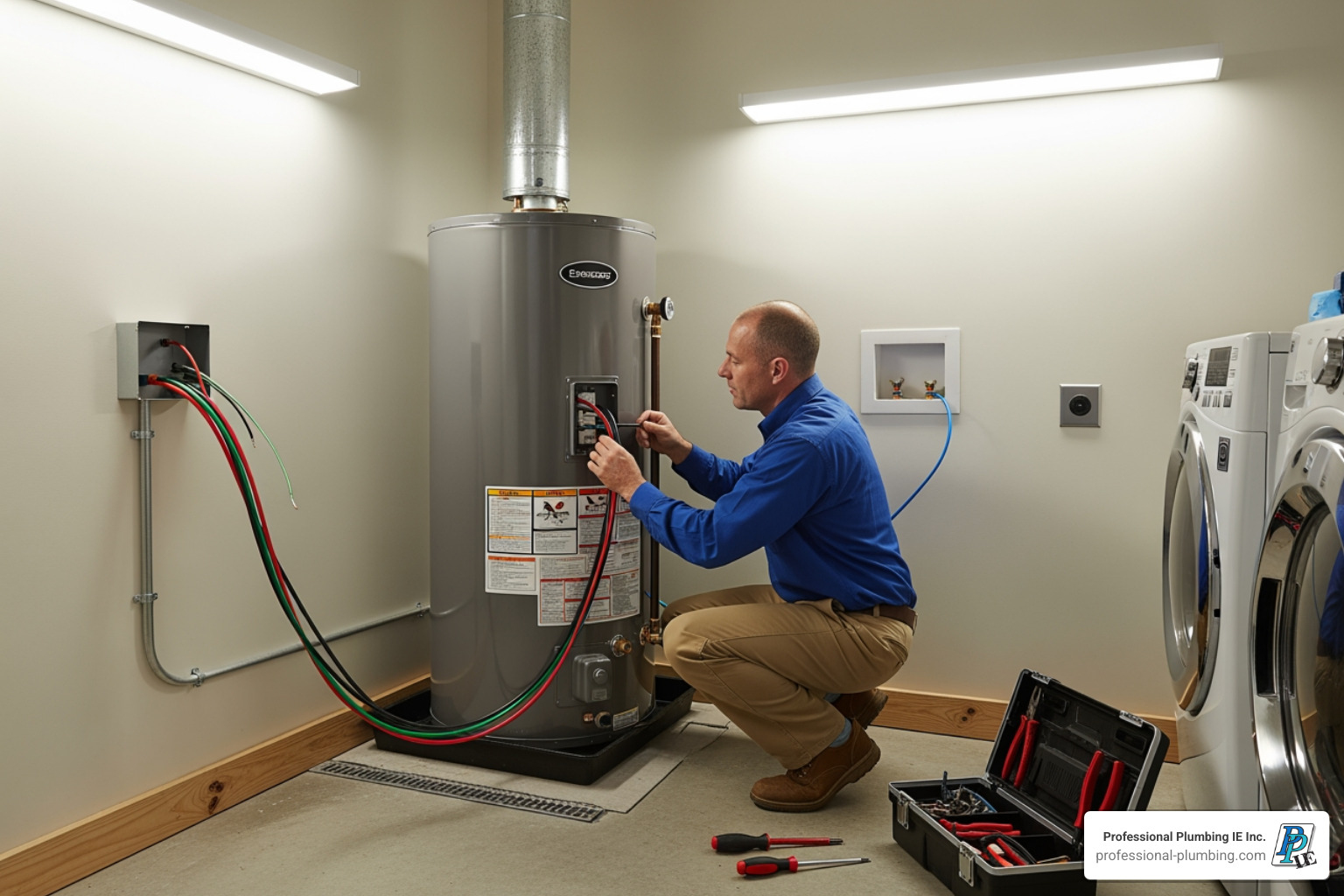
Installing or replacing a water heater is far from a DIY project. It involves complex plumbing, electrical, and potentially gas connections, all of which carry significant safety risks if not handled by trained professionals. This is why professional workmanship and safe installation are paramount in water heater services.
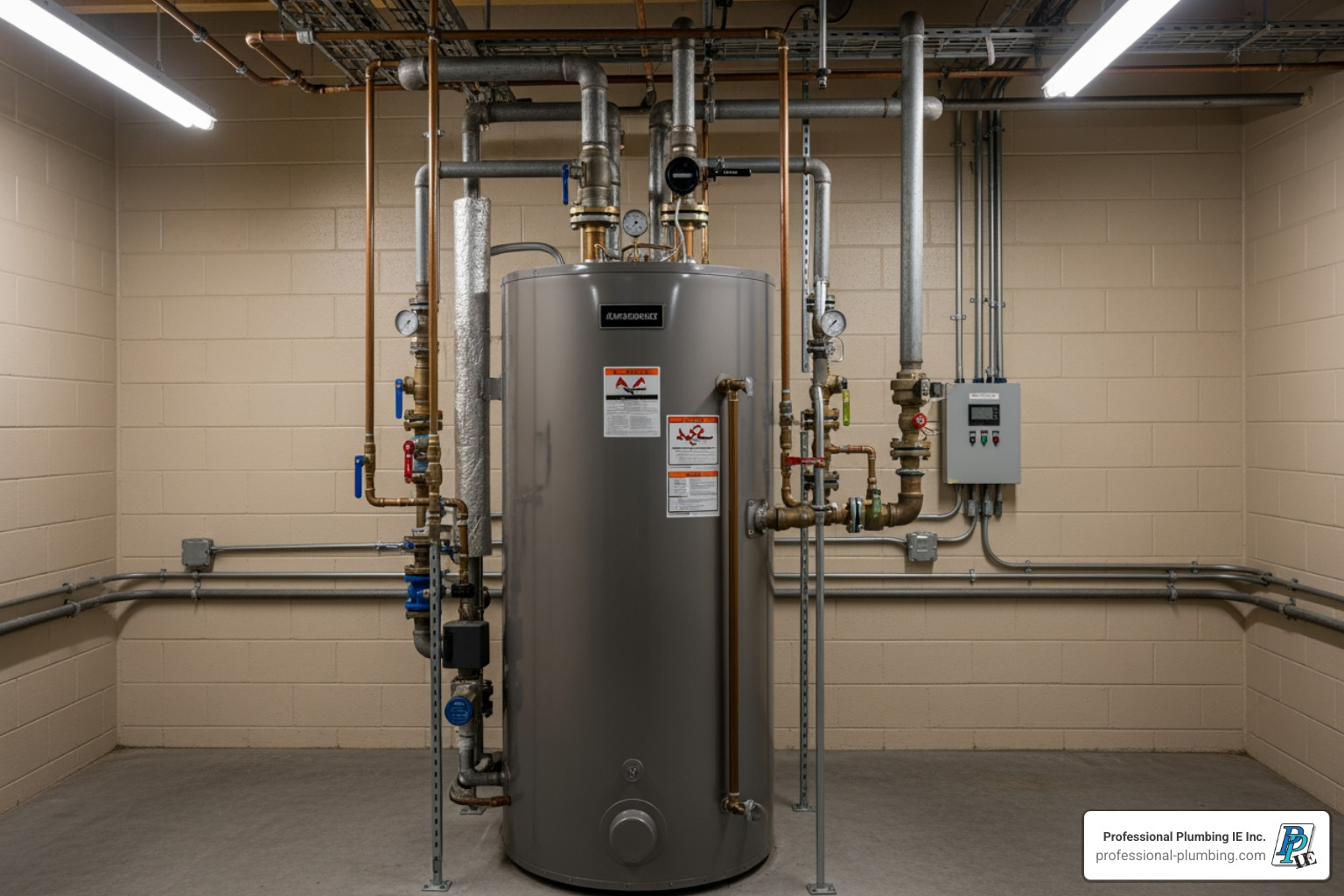
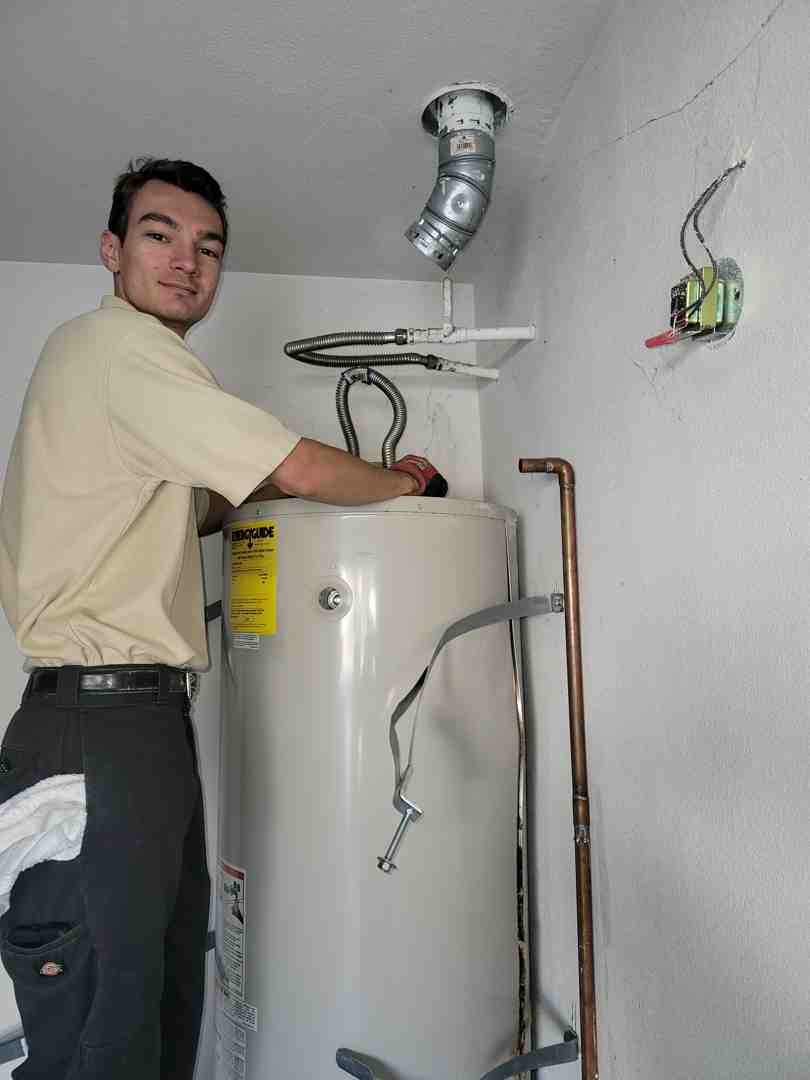
Working with pressurized equipment, gas lines, and high-voltage electricity can be hazardous. Improper installation can lead to gas leaks, carbon monoxide poisoning, electrical shocks, scalding water, or even explosions. Our licensed and insured plumbers in Jurupa Valley, Mira Loma, and all our service areas adhere strictly to local plumbing codes and safety regulations. We ensure every installation is not just functional but also completely safe for your family and home. We take pride in our projects, ensuring every detail is perfect, as showcased in our Project: Water heating project.
What to Expect During the Installation Process
When you choose us for your water heater installation, you can expect a smooth, professional process from start to finish:
- Site Assessment: Our technician will first assess your home’s needs, existing setup, and the chosen location for the new water heater. This ensures the correct sizing and type of unit for your household.
- Old Unit Removal and Disposal: We’ll carefully disconnect and remove your old water heater. We also handle the responsible disposal of the old unit, saving you the hassle.
- New Unit Placement: The new water heater will be carefully moved into its designated spot. For tankless units, this often means secure wall mounting.
- Plumbing Connections: Our experts will carefully connect the new unit to your home’s water lines, ensuring all connections are watertight and secure.
- Venting Requirements (Gas Units): For gas water heaters, proper venting is critical to safely expel combustion gases. We’ll ensure your venting system meets all safety standards.
- Electrical or Gas Connections: Depending on your unit, we’ll connect it to the appropriate electrical circuit or gas line, testing for proper function and leak-free operation.
- Final Testing and Cleanup: Once installed, we’ll thoroughly test the new water heater to ensure it’s functioning perfectly and providing hot water as expected. We’ll also clean up the work area, leaving your home as tidy as we found it.
We aim for seamless installations every time, as demonstrated by our commitment to excellence in projects like Project: Water heating project 2.
Key Questions to Ask Your Water Heater Services Provider
Before hiring any service provider for your water heater services, it’s smart to ask a few key questions. This helps ensure you’re getting qualified, reliable, and transparent service:
- Are you licensed and insured? This is non-negotiable. A licensed plumber guarantees they meet professional standards, and insurance protects you in case of accidents or damage.
- Is the quote all-inclusive? Ask for a detailed, upfront quote that covers the unit, installation, removal of the old unit, permits, and any potential unforeseen costs. We believe in transparent pricing with no hidden fees.
- What warranties are provided? Inquire about both the manufacturer’s warranty on the water heater itself and a warranty on the installation labor.
- Do you handle permits? Many water heater installations require permits to ensure they meet local building codes. A reputable service provider will handle this process for you.
- How long will the installation take? Understanding the timeline helps you plan and minimizes disruption to your daily routine.
- Can you provide references or show examples of your work? Checking customer reviews and testimonials can give you a good sense of a company’s reliability and quality of work. For instance, you can see examples of customer feedback online. Customer feedback example, Another customer testimonial, and More positive reviews. We also encourage checking a company’s terms of use and privacy policy for full transparency. For more information about a company’s background and affiliates, you might explore resources like About Neighbourly.
Frequently Asked Questions about Water Heaters
We know you have questions, and we’re here to provide clear, helpful answers. Here are some of the most frequently asked questions about water heaters and their services:
What is the average lifespan of a water heater?
The average lifespan of a water heater depends significantly on its type and how well it’s maintained.
- Conventional Tank Water Heaters: These units typically last 8 to 12 years. Factors like water quality (hard water can shorten lifespan due to mineral buildup), maintenance frequency, usage habits, and even the temperature setting can influence this.
- Tankless Water Heaters: Thanks to their on-demand heating and lack of a storage tank, tankless models often have a longer lifespan, operating for 15 to 20 years. They are less prone to corrosion from standing water.
Regular maintenance is key to maximizing the life of any water heater.
How can I extend the life of my water heater?
Extending the life of your water heater isn’t just about saving money on premature replacement; it’s about ensuring consistent performance and efficiency. Here are our top tips:
- Annual Maintenance: Schedule professional maintenance annually. This includes a thorough inspection, checking components, and ensuring safe operation.
- Flush the Tank Regularly: Sediment buildup at the bottom of tank-style water heaters can reduce efficiency and lead to premature failure. Flushing the tank once a year helps remove these deposits.
- Inspect the Anode Rod: The anode rod is often called the “sacrificial rod” because it corrodes to protect the tank lining. Inspect it every few years and replace it if it’s heavily corroded.
- Check the T&P (Temperature and Pressure) Relief Valve: This crucial safety device prevents excessive pressure buildup. Test it annually to ensure it’s functioning correctly.
- Set the Correct Temperature: Setting your water heater’s thermostat to 120°F (49°C) is ideal. It’s hot enough for most household needs, helps prevent scalding, and reduces energy consumption, thus extending the unit’s lifespan.
- Install a Water Softener: If you live in an area with hard water (like many parts of Riverside County), installing a water softener can significantly reduce mineral buildup in your tank, protecting it from corrosion and improving efficiency.
Are there energy rebates for installing a new water heater?
Yes, there are often various energy rebates and incentives available for installing energy-efficient water heaters, especially for homeowners in Eastvale, Corona, and our other service areas who choose ENERGY STAR® certified models. These can help offset the initial investment, particularly for higher-efficiency units like heat pump or tankless water heaters.
- Federal Tax Credits: The federal government sometimes offers tax credits for installing certain highly efficient water heating systems.
- Local Utility Rebates: Many local utility companies in California provide rebates to customers who upgrade to energy-efficient appliances, including water heaters.
- ENERGY STAR® Program: Always look for the ENERGY STAR® label, as these products qualify for many rebate programs.
We recommend checking with your local utility provider and the ENERGY STAR® website for the most current information on available rebates and incentives in your specific area of Riverside County. These programs are designed to encourage homeowners to invest in more sustainable and cost-effective solutions.
Conclusion
From the sudden shock of a cold shower to the subtle drain on your wallet from an inefficient system, your water heater plays a vital role in your home’s comfort and budget. We’ve explored the five compelling reasons why local water heater services are indispensable: prompt problem-solving, expert guidance in choosing the right unit, comprehensive solutions for every budget, professional and safe installation, and clear answers to your questions.
At Professional Plumbing IE Inc., we’re more than just plumbers; we’re your neighbors in Riverside, Eastvale, Corona, Norco, Jurupa Valley, and Mira Loma, committed to ensuring your home has reliable, efficient hot water. With nearly 40 years of experience, our highly trained team offers professional, guaranteed quality service at affordable rates, always prioritizing your satisfaction. Don’t let water heater worries disrupt your life.
Contact us for expert water heater services in Riverside and let us bring warmth and peace of mind back to your home.