
Slab Leak Repair: 4 Crucial Options
When Water Hides Beneath Your Home’s Foundation
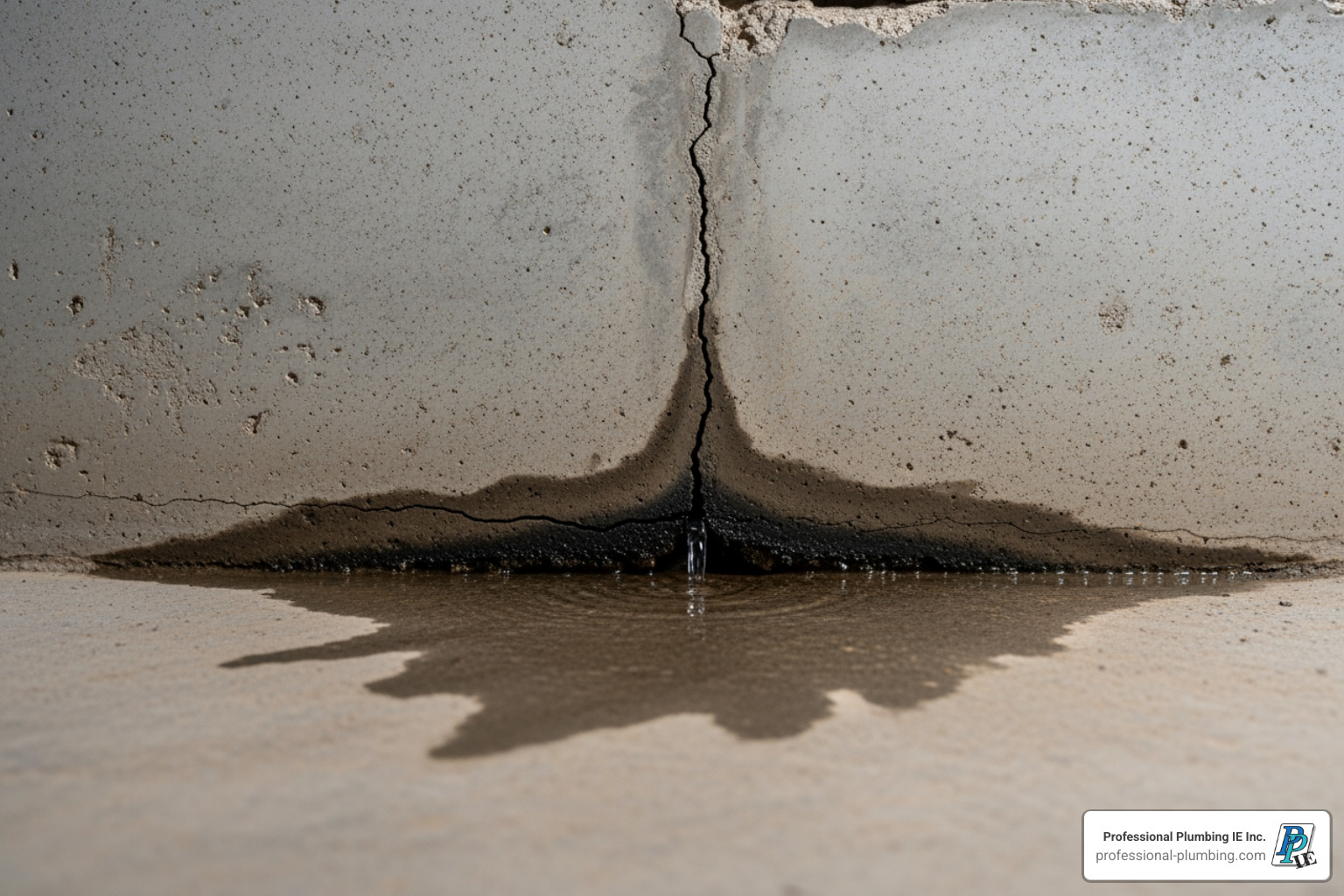
Slab leak repair is the process of finding and fixing water or sewer line leaks that occur beneath your home’s concrete foundation. These hidden leaks are a common issue, especially in Southern California where many homes are built on slabs. If left unaddressed, they can cause serious damage, from skyrocketing water bills to cracked foundations and mold growth.
Because the pipes are buried, you might not know you have a problem until you notice warm spots on the floor, hear running water when all taps are off, or get a shockingly high water bill. The good news is that modern detection methods and multiple repair options mean you don’t have to demolish your entire foundation to fix the problem. Understanding your choices can save you thousands of dollars and weeks of disruption.
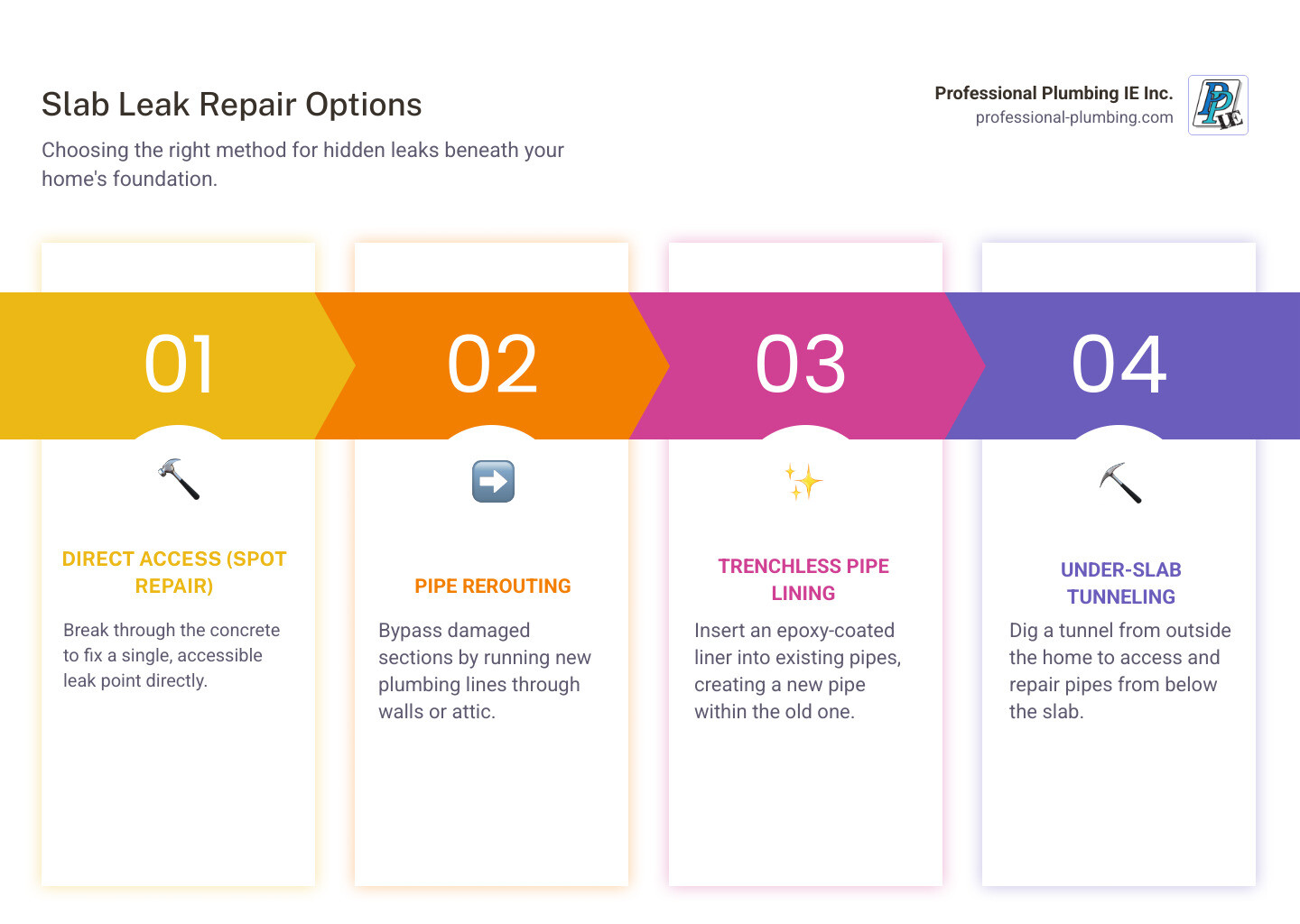
Your Main Repair Options:
- Direct Access (Spot Repair): Breaking through the concrete to fix the leak at its source.
- Pipe Rerouting: Installing a new pipe that bypasses the damaged section.
- Trenchless Pipe Lining: Creating a new pipe inside the old one using an epoxy resin.
- Under-Slab Tunneling: Digging under the foundation to access the pipe from outside.
Identifying the Problem: Signs and Professional Detection
Because they happen under a concrete slab, these leaks are hidden from view. However, there are several tell-tale signs that you might have a problem.
Common Warning Signs of a Slab Leak
- Sudden Spike in Water Bill: If your water usage hasn’t changed but your bill has jumped, a hidden leak is a likely culprit.
- Sound of Running Water: Hearing water when all faucets and appliances are off is a classic sign.
- Warm Spots on the Floor: A hot water line leak can create noticeable warm patches on your flooring.
- Damaged Flooring: Look for warped wood, bubbling laminate, or damp carpets, which indicate moisture coming up through your slab.
- Musty Odors: A persistent musty smell can signal mold and mildew growth caused by a hidden leak.
- Low Water Pressure: A drop in water pressure throughout the house can mean water is escaping somewhere in the system.
- Visible Cracks: Cracks in your foundation, walls, or floors can be a sign of the ground shifting due to water saturation.
These warning signs often point to deeper plumbing issues. For more information about what to watch for, check out our guide on signs that your plumbing is failing.
How Professionals Detect a Slab Leak
Guesswork isn’t an option when your foundation is involved. Slab leak repair requires precise detection using specialized equipment to pinpoint the leak without unnecessary destruction.
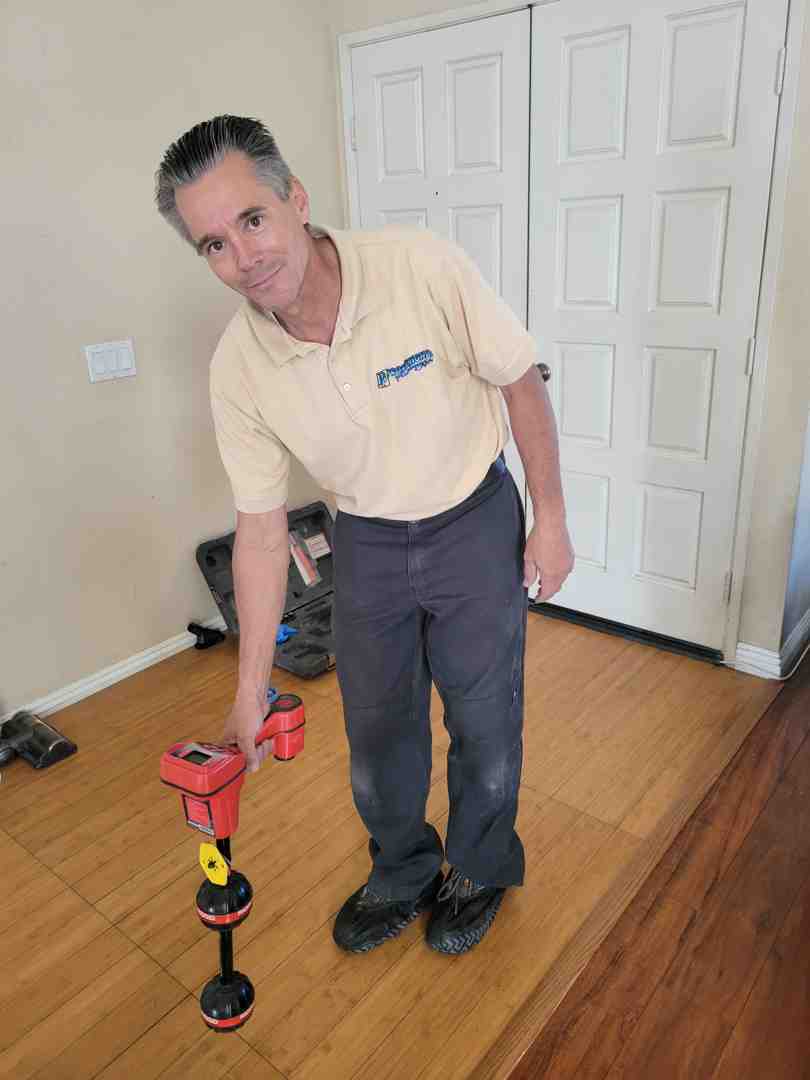
- Electronic Listening Devices: These highly sensitive acoustic tools can “hear” water escaping from a pipe, even under concrete.
- Video Camera Inspection: For sewer lines, we can insert a small camera to visually inspect the pipe’s interior for cracks or blockages.
- Pressure Testing: By isolating sections of your plumbing, we can use pressure gauges to confirm if and where a leak exists.
- Thermal Imaging: Infrared cameras can detect temperature changes on your floor, revealing the path of a hidden hot water leak.
Using these advanced techniques, we can locate your leak quickly and accurately—which is crucial for effective slab leak repair. The more precisely we identify the problem, the less invasive and expensive the repair becomes. Whether you’re in Riverside, Corona, Eastvale, Norco, Jurupa Valley, or Mira Loma, our goal is always the same: find the leak fast, fix it right, and get your life back to normal.
For a deeper look at our detection process, visit our page on how to detect a slab leak.
A Homeowner’s Guide to Slab Leak Repair Options
Once a slab leak is detected, the next step is choosing the right repair method. The best approach depends on the leak’s location, the condition of your pipes, and your budget. We’ll help you evaluate the options for your specific situation.
Option 1: Direct Access Repair (Spot Repair)
This traditional method involves pinpointing the leak’s exact location and breaking through the concrete slab to access and repair the damaged section of pipe.
- Best For: Single, easily accessible leaks where the surrounding pipes are in good condition.
- Considerations: This is the most direct approach but requires cutting into your foundation and flooring, which will need to be repaired afterward.
Option 2: Pipe Rerouting
Instead of digging into the slab, we can bypass the damaged section entirely. This means running a new line of pipe (often PEX or copper) through your walls, ceiling, or even the attic, connecting it to the existing plumbing system above the slab.
- Best For: Rerouting is a fantastic option when direct access is too disruptive, costly, or if the existing pipe is old and prone to multiple leaks. It essentially gives the leaking pipe a “retirement” and replaces its function with a new, accessible line.
- Considerations: This method avoids disturbing your foundation and can be less invasive to your living space. It might involve cutting into drywall or ceilings, but these repairs are typically less complex and costly than concrete work. Rerouting plumbing pipes around the slab can cost at least $1,500 and up to $15,000, depending on the complexity.
Option 3: Trenchless Pipe Lining (Epoxy Coating)
Imagine fixing a pipe without ever digging it up! That’s the magic of trenchless technology.
- What it involves: This method, often used for smaller leaks or widespread corrosion within a pipe, involves inserting a flexible, epoxy-coated liner into the existing damaged pipe. The liner is then inflated and allowed to cure, creating a new, seamless pipe within the old one. It’s like giving your pipe an internal facelift!
- When it’s best: Trenchless pipe lining is excellent for small leaks, pinholes, or when a pipe shows signs of general deterioration but isn’t completely collapsed. It’s particularly useful for sewer lines or water lines that are difficult to access without extensive excavation.
- Considerations: This is a less invasive option, as it requires minimal digging (usually just small access points). It’s generally quicker than traditional methods, and homeowners can often remain in their homes during the process. Repairing a broken pipe with epoxy can cost around $200 for a minor fix, but more extensive lining can be considerably more.
Option 4: Under-Slab Tunneling
For those who want to avoid any interior disruption to their home, tunneling might be the answer.
- What it involves: Instead of breaking through the slab inside your home, we dig a tunnel from the exterior of your house directly underneath the foundation to access the leaking pipe. Our plumbers work within this tunnel to repair or replace the damaged section.
- When it’s best: Tunneling is a great choice when you have valuable flooring or fixtures that you don’t want to disturb inside your home. It allows us to reach the leak without any interior demolition.
- Considerations: This method keeps your indoor living space clean and undisturbed. However, it requires significant excavation outside and careful consideration of your home’s structural integrity during the tunneling process. It’s a specialized technique that our team is well-versed in for homes in Riverside and surrounding areas.
Understanding the Costs and Timeline
We know that when a slab leak occurs, one of the first questions on your mind is, “How much will this cost?” and “How long will my life be disrupted?” These are completely fair questions, and we believe in being upfront about what to expect. While every situation is unique—just like every home in Eastvale, Norco, Mira Loma, and beyond—we can give you a realistic picture based on our nearly 40 years of experience.
The Cost of Professional Slab Leak Repair
The truth is, slab leak repair costs can vary quite a bit. The final price tag depends on where the leak is hiding, how bad the damage is, which repair method makes the most sense for your home, and what kind of restoration work is needed afterward (like patching concrete or replacing flooring).
Let’s break down what you might expect to pay:
| Service/Repair Type | Average Cost Range | Notes |
|---|---|---|
| Detection | $150 – $600 | Finding the leak before any repair work begins |
| Spot Repair (Direct Access) | $2,300 average | Breaking through concrete to fix a single leak |
| Pipe Rerouting | $1,500 – $15,000 | Running new pipes through walls or attic; wide range depends on complexity |
| Trenchless Pipe Lining | $200+ | Minor epoxy repairs start around $200; extensive lining costs significantly more |
| Foundation Repair/Patching | $2,000 – $7,500 | Restoring the concrete after breaking into the slab |
| Plumber Hourly Rates | $45 – $200/hour | Labor costs vary by region and expertise |
Detection alone typically runs $150 to $600, and it’s worth every penny because pinpointing the exact location of a leak saves you thousands in unnecessary demolition and guesswork.
The average repair cost sits around $2,300 for a straightforward spot repair, but that can climb quickly. If your home needs pipe rerouting—which might be the best option if your pipes are aging or the leak is in a tough spot—you’re looking at anywhere from $1,500 to $15,000.
The repair itself is only part of the story. If we need to break through your concrete slab, that foundation will need proper patching afterward, which can add $2,000 to $7,500 to your total. And if your flooring gets damaged, that’s another restoration cost to consider.
One thing we always tell our customers: don’t let sticker shock delay your decision. We’ve seen homeowners put off a $3,000 repair, only to face $15,000 in foundation damage and mold remediation six months later. A slab leak is like a small cavity—fix it now, or pay much more later.
How Long Does a Repair Take?
Nobody wants their home turned into a construction zone for weeks on end. The good news? Most slab leak repairs are completed in a few hours to three days, depending on the situation.
- A simple spot repair where we have easy access to the leak might take just a few hours, plus time for the concrete to cure and any flooring restoration. You could be back to normal within a day or two.
- Pipe rerouting typically takes one to three days, depending on how much new piping needs to be installed and where it needs to run.
- Trenchless pipe lining is often one of the fastest options, sometimes completed in a single day since there’s minimal excavation and no foundation patching required.
- Under-slab tunneling can take two to three days because of the careful excavation work required, but it means zero disruption to your home’s interior.
Several factors affect the timeline: the severity of the leak, the repair method chosen, the condition of your foundation, and any necessary flooring restoration. We always keep you informed throughout the process—no surprises, just honest communication about what we’re finding and what it means for your timeline and budget.
The Cost of Professional Slab Leak Repair
| Service/Repair Type | Average Cost Range ($) | Notes |
|---|---|---|
| Term/Concept | Definition/Explanation | |
| Slab Leak Detection | $150 – $600 | Cost for identifying the leak’s location. Factors include difficulty and equipment needed. |
Our team of licensed plumbers in the Riverside area charges between $45 and $200 per hour for slab leak repairs. The total cost will depend on the labor involved and the materials needed for your specific repair.
How Long Does a Repair Take?
The timeline for a slab leak repair can vary significantly, from a few hours to around three days. This depends primarily on:
- Severity and Location: A small, easily accessible pinhole leak can be fixed much faster than a large leak under a critical structural component or an area with complex flooring.
- Repair Method Chosen: Trenchless repairs can often be completed more quickly than methods requiring extensive excavation or tunneling. Rerouting might take longer for installation but avoids concrete work.
- Property Specifics: Factors like the type of foundation, the age of the plumbing, and the presence of any obstructions can all influence the repair duration.
We always strive to complete repairs efficiently while ensuring the highest quality of work, minimizing disruption to your home life in Jurupa Valley, Corona, or Eastvale.
Prevention and the Risks of Delay
While not all slab leaks are preventable, proactive maintenance can significantly reduce your risk. More importantly, understanding the consequences of delaying repairs can save you from catastrophic damage and expense.
Can Slab Leaks Be Prevented?
Yes, to an extent. Regular maintenance can help you catch potential issues before they become major problems. Here are some key preventative steps:
- Regular Plumbing Inspections: An annual check-up by a professional can identify early signs of corrosion or pressure issues.
- Monitor Water Pressure: Keep your home’s water pressure between 50-75 psi. High pressure (over 80 psi) strains your pipes. A pressure regulator can help.
- Avoid Chemical Drain Cleaners: Harsh chemicals can corrode pipes over time. Opt for enzymatic cleaners or professional drain cleaning.
- Consider Water Quality: Hard or acidic water can accelerate pipe deterioration. A water treatment system can extend the life of your plumbing.
- Ensure Proper Drainage: Make sure your yard is graded to direct water away from your foundation and keep gutters clean. The EPA offers helpful moisture control guidance.
For help with any of these maintenance tasks, check out our general plumbing services.
Why You Shouldn’t Delay Slab Leak Repair
Ignoring a suspected slab leak is a costly mistake. What starts as a small issue can quickly escalate, leading to severe consequences:
- Structural Damage: Water erodes the soil supporting your foundation, which can cause it to crack, shift, or sink. This is a complex and expensive repair.
- Widespread Water Damage: Moisture can seep up through the concrete, ruining flooring, drywall, and furniture.
- Mold and Mildew Growth: The constant dampness creates a perfect breeding ground for mold, which poses serious health risks and requires professional remediation.
- Skyrocketing Water Bills: A single leak can waste thousands of gallons of water, leading to a significant increase in your utility costs.
- Pest Infestations: Damp, dark environments attract termites, ants, and other pests.
Prompt slab leak repair is not just a recommendation; it’s a necessity to protect your home’s integrity and value. If you suspect a leak, don’t wait. For more information on addressing plumbing emergencies, visit our repairs section.
Frequently Asked Questions about Slab Leaks
Here are answers to some of the most common questions we receive about slab leaks from homeowners in Riverside, Eastvale, Corona, and surrounding areas.
Does homeowners insurance cover slab leak repairs?
Coverage for slab leak repair depends entirely on your insurance policy. Typically, policies distinguish between:
- Sudden & Accidental Damage: Often covered. For example, a pipe bursting unexpectedly.
- Gradual Damage: Usually not covered. This includes leaks from old, corroded pipes or poor maintenance.
Many policies will cover the resulting water damage (e.g., ruined floors, drywall) but not the cost of accessing and repairing the pipe itself. It’s crucial to review your policy and contact your insurance agent to understand your specific coverage.
Is a slab leak considered a plumbing emergency?
Yes, absolutely. A slab leak is a serious plumbing emergency because it can undermine your home’s foundation. The constant flow of water erodes the soil, potentially leading to cracks and structural instability. If you suspect a slab leak, shut off your main water supply immediately and call a professional plumber.
Can a slab leak happen more than once?
Yes, it’s possible. If one pipe has failed due to age or corrosion, it’s likely that other pipes in the system are in a similar condition. This is especially common in older homes. If you experience recurring leaks, it may be more cost-effective in the long run to consider a whole-house repipe rather than making repeated spot repairs. We can help you assess the condition of your plumbing and determine the best course of action.
Conclusion: Protecting Your Home’s Foundation
Your home is your most significant investment, and a slab leak can threaten its very foundation. Recognizing the early warning signs—from a high water bill to warm spots on the floor—is the first step in preventing catastrophic damage. As we’ve discussed, modern detection and repair methods offer solutions for every situation, from direct access repairs to non-invasive trenchless lining.
The most important takeaway is that early detection and prompt action are critical. A small leak addressed quickly is a minor inconvenience; a leak left ignored can lead to thousands in structural repairs, mold remediation, and property loss.
At Professional Plumbing IE Inc., we’ve been serving homeowners in Riverside, Eastvale, Corona, Norco, Jurupa Valley, and Mira Loma for nearly 40 years. As a family-owned business, we understand the importance of protecting your home. Our experienced technicians use advanced equipment to provide efficient, reliable, and affordable slab leak repair services.
If you suspect a slab leak, don’t wait for the problem to escalate. Contact us today for an expert diagnosis and a lasting solution. We’re here to protect your home and your peace of mind with professional, guaranteed service. Learn more about our slab leak services and let us help you today.



Pingback: Commercial Water Leak Detection Services: Top 5 Hidden Threats
[…] Pinpointing the Exact Location Our goal is always to minimize demolition. Instead of opening up half a corridor, we work to narrow the leak location to a specific section of wall, floor, or slab—whether it’s a hidden pipe, a slab leak under your Riverside foundation, or a leak in the ceiling above a Corona retail bay. Learn more about our slab leak repair process here: More info about the slab leak repair process. […]