

House Leak Repair: Ultimate Guide 2025
Why House Leak Repair Demands Your Immediate Attention
House leak repair is an inevitable part of homeownership. When a leak strikes, acting quickly can save you thousands and prevent serious damage.
Quick Action Guide for House Leaks:
- Turn off the water supply at the main shut-off valve
- Contain the water with buckets and towels
- Document the damage for insurance purposes
- Call a professional plumber for anything beyond minor drips
- Start drying the area immediately to prevent mold
The numbers are sobering. The average household loses about 17 gallons of water per day to indoor leaks. A single faucet dripping every two seconds wastes over 1,000 gallons annually, and research shows up to 35% of all residential toilets leak.
Beyond water waste, unaddressed leaks lead to wood rot, foundation damage, and mold growth that threatens your family’s health. A slow leak behind a wall can silently destroy drywall, insulation, and framing, compromising your home’s structural integrity and leading to tens of thousands in repairs.
Water leak detection is a skill every homeowner should have, as leaks will eventually happen.
The good news is you have options. This guide covers everything from quick DIY fixes to permanent professional repairs. We’ll help you spot warning signs, know when to handle it yourself, and when it’s time to call the experts.

Spotting the Signs: How to Detect a Water Leak in Your Home
Not all leaks are obvious. While some create puddles, others hide behind walls or under floors, quietly causing damage. Knowing the signs—both obvious and hidden—is the first step.
Obvious signs include a dripping faucet, which can waste over 1,000 gallons a year, and puddles under sinks that rot cabinets and breed mold. Water stains on ceilings or walls point to a hidden leak. Also look for peeling paint, bubbling drywall, warped floors, or sagging ceilings, which indicate significant, prolonged water exposure.
Hidden signs require more detective work. An unexplained spike in your water bill is a major red flag. A musty smell often points to hidden mold, while the sound of running water when all taps are off signals a problem. Other clues include low water pressure, warm spots on your floor from a leaking hot water line, or soggy spots in your yard near the main water line. For more warning signs, check our guide on signs that your plumbing is failing.
the average household loses 17 gallons per day to leaks. That’s money and water down the drain.
Checking Your Water Meter
To confirm a hidden leak, use your water meter. This simple test provides a definitive answer.
First, turn off all water in your house—faucets, toilets, appliances, and ice makers. Next, record your meter reading by taking a photo or writing it down.
Then, wait without using any water for at least 15 minutes, though a few hours is better for accuracy. Finally, re-check the meter. If the reading has changed at all, you have a leak. This test is excellent for catching continuous flows you might otherwise miss.
Common Leak Locations

Leaks have favorite hiding spots. Knowing where to look helps you catch them early.
Toilets are the top culprit, with 20-35% of them leaking. Many are silent leaks from a faulty flapper. Test yours by adding a few drops of food coloring to the tank. If color appears in the bowl after 15 minutes (without flushing), you have a leak.
Faucets and showerheads often leak due to worn washers or O-rings. Water heaters can develop puddles at the base, indicating a tank leak or faulty valve. For more on this, see our article on signs that your water heater needs repair.
Also, check appliance hoses for your washing machine and dishwasher, as they can crack over time. Look for drips under sinks from supply lines or drain pipes.
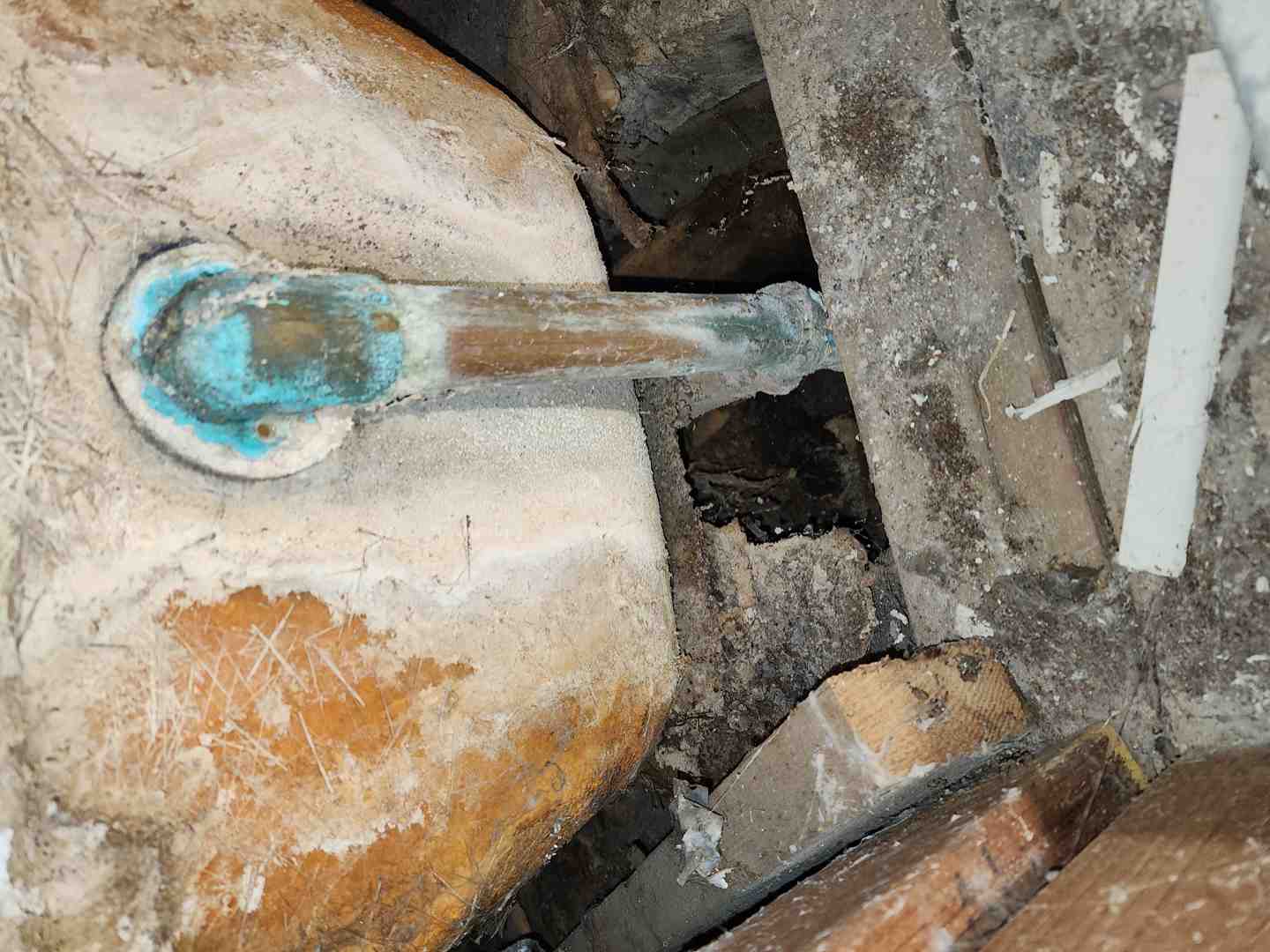
Slab leaks, which occur in pipes beneath your concrete foundation, are the most destructive. They are hard to detect and can cause serious structural damage, requiring professional equipment and expertise. If you suspect one, our slab leak detection and repair services can help. After nearly 40 years serving Riverside and Orange County, we know that catching leaks early is the key to avoiding a major house leak repair project.
Emergency! Immediate Steps to Take When You Find a Leak
Finding a major leak is stressful, but acting quickly and calmly can minimize the damage. As plumbing experts serving Riverside, Corona, Fountain Valley, and Orange County, we recommend following these critical steps.
Shut Off Main Water Supply
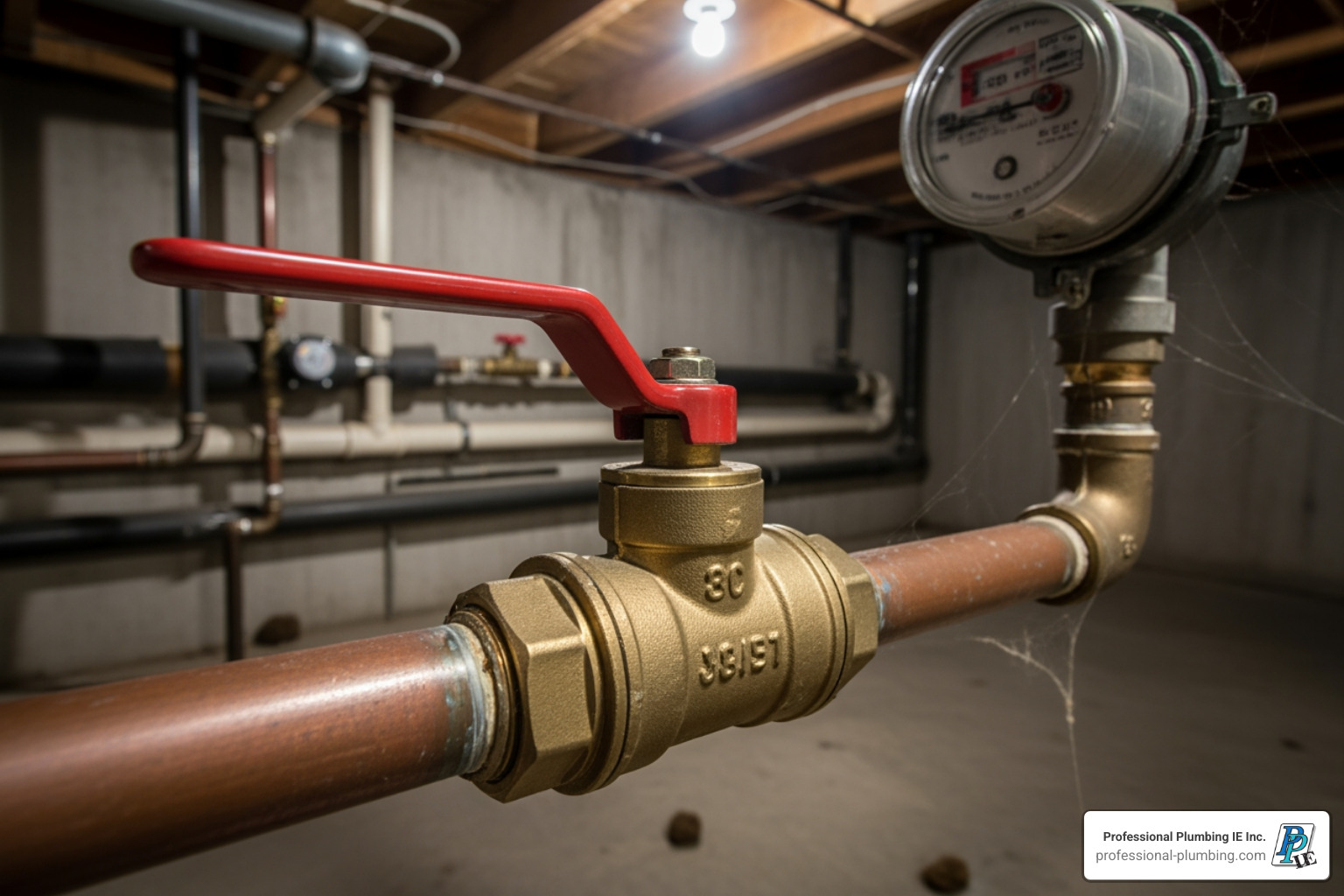
First, stop the water flow. Locate your main water shut-off valve. Every homeowner should know this location. It’s typically where the main water line enters your house, such as the basement, crawl space, or near the water heater. Some are outside near the meter. Turn the valve clockwise to shut it off. For a lever, turn it 90 degrees so it’s perpendicular to the pipe.
Turn Off Electricity
Water and electricity are a dangerous mix. If the leak is near outlets, fixtures, or appliances, cut the power. Go to your breaker box and flip the main breaker for a large leak, or the specific breakers for a localized one. This prevents electrocution and electrical system damage. If you must cross water to reach the panel, stay back and call for help.
Contain the Water
Next, control the damage. Use buckets to catch drips and towels to soak up standing water. Create barriers with rolled-up towels to protect unaffected areas and move valuables if it’s safe. Every gallon you contain is a gallon that isn’t soaking into your floors and walls.
Drain the Pipes
Even with the main supply off, water remains in the pipes. Open all your faucets (hot and cold), starting from the top floor and working down, to drain the system and reduce pressure. Flush toilets once to empty their tanks. This step reduces how much water can continue to escape from the break.
Call for Help
With the immediate threat contained, it’s time to call professionals. A major leak or burst pipe requires expert attention to address hidden damage. We’ve handled emergency plumbing for nearly 40 years and are available 24/7. If you need emergency plumber services in Riverside or nearby areas, we’re ready to help. While waiting, take photos of all damage for your insurance claim.
DIY vs. Pro: Temporary Fixes and When to Call for House Leak Repair
When you find a leak, you must decide between a DIY fix and calling a pro. Understanding the difference between a temporary patch and a permanent solution is key to avoiding costly mistakes.
Temporary fixes, like pipe clamps, epoxy putty, or self-fusing silicone tape, are emergency measures. They stop the immediate water flow while you await professional help. Permanent solutions address the root cause by replacing damaged pipe sections or using professional sealing techniques that meet building codes.
The biggest mistake is treating a temporary fix as permanent. These materials degrade over time due to water pressure and temperature changes. A patch might hold for a while, but the pipe can fail again, causing even more damage. Always follow up a DIY patch with a professional assessment to address the underlying issue, such as corrosion or high water pressure, and ensure the house leak repair is durable.
Temporary DIY Methods for Leaky Pipes
A quick, temporary fix can prevent major damage until a plumber arrives. Here’s what works in a pinch.
- Pipe clamps are great for small pinholes. A rubber gasket inside the clamp creates a watertight seal when tightened over the leak.
- Epoxy putty works well for larger issues. After cleaning and drying the pipe, knead the two-part compound and apply it firmly over the leak. It hardens to create a strong seal.
- Self-fusing silicone tape is another option for low-pressure lines. Stretch and wrap the tape tightly over itself, starting before the leak and ending after it, to create a waterproof bond.
- Rubber patches can be used with clamps to cover larger ruptures.
Before any DIY repair, always shut off the water and thoroughly clean and dry the pipe. Wear safety gloves, especially when using epoxy putty. These are temporary solutions meant to buy you time.
When to Call a Professional for House Leak Repair
Some jobs are best left to the pros. Attempting a DIY fix in these situations can make things worse. With nearly 40 years of experience in Riverside and Orange County, we know when professional expertise is non-negotiable.
- Major pipe bursts: An uncontrolled gush of water is an emergency requiring immediate professional intervention.
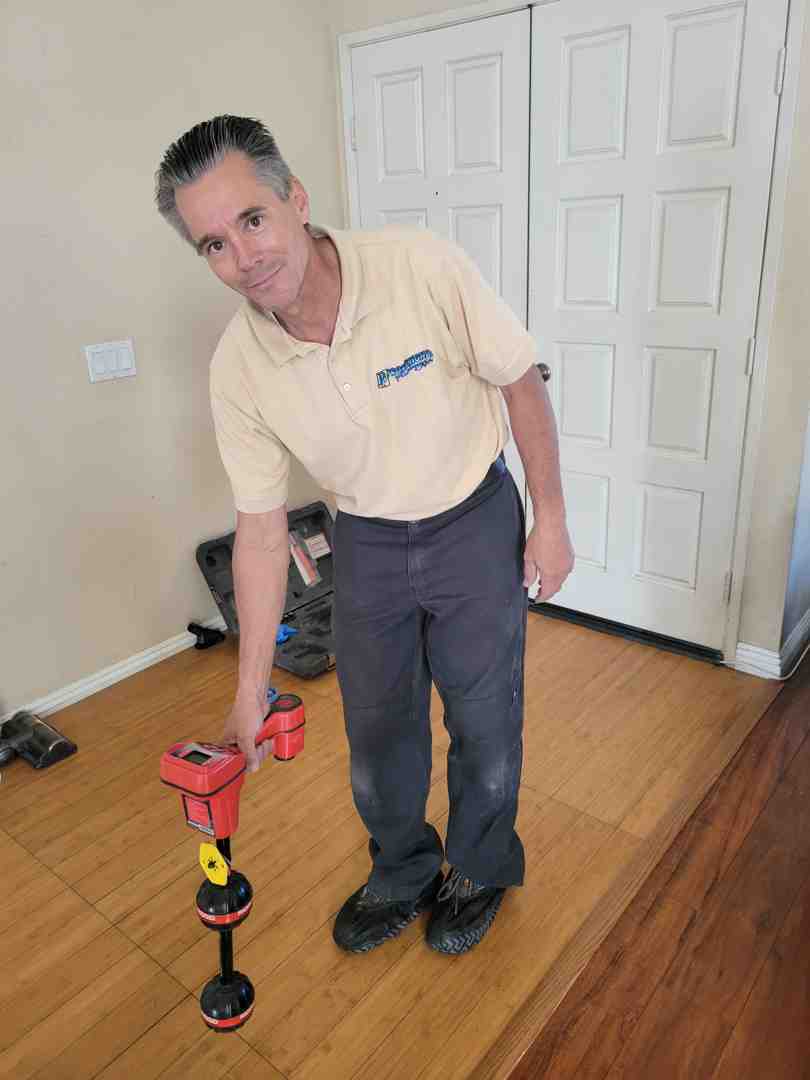
- Hidden leaks in walls or ceilings: We use acoustic listeners and thermal cameras to find leaks without unnecessary demolition.
- Slab leaks: Leaks under your concrete foundation can cause catastrophic structural damage. They require specialized detection and repair, which you can learn more about in our guide on How to Detect a Slab Leak Under a Concrete Floor.
- Persistent low water pressure: This may indicate a large leak in your main line or a systemic issue requiring professional diagnosis.
- Sewer line leaks: These pose serious health risks from bacteria and pathogens and should never be a DIY project.
- When DIY fixes fail: If your patch doesn’t hold, the problem is more serious than a surface repair can handle.
- Anytime you’re unsure: It’s safer and more cost-effective to call us. A proper repair now prevents a bigger, more expensive problem later.
The Aftermath: Cleanup, Costs, and Prevention
Stopping the leak is just the first step. The aftermath—cleanup and preventing long-term damage—is equally critical.
The consequences of water damage include:
- Structural rot: Water seeps into wood framing and subflooring, weakening your home’s structure.
- Mold: It can grow within 24-48 hours in damp conditions, posing health risks like allergies and respiratory issues.
- Foundation damage: Slab leaks can weaken concrete, leading to cracks and instability.
- High utility bills: Even a slow drip wastes thousands of gallons of water, increasing your bills.
Cleanup and Mold Prevention
Quick, thorough cleanup is essential to prevent secondary damage like mold.
- Remove standing water immediately with a wet/dry vac, mops, and towels.
- Dry everything completely. Open windows, use fans, and run a dehumidifier. Carpets, drywall, and insulation must be bone-dry.
- Disinfect all hard surfaces with a cleaning solution to kill bacteria and mold spores.
- Remove damaged materials. Porous items like soaked drywall, insulation, and particle board often can’t be saved and should be replaced to prevent mold.
- Check for hidden moisture in wall cavities and under floors. A professional with a moisture meter can ensure everything is truly dry. These tips for repairing water damage offer more detailed guidance.
Understanding the Costs of Professional House Leak Repair
The cost of professional house leak repair varies, but it’s an investment in a permanent solution, not just a temporary patch.
Here’s a general cost breakdown:
| Leak Type | Average Repair Cost | Detection Cost | Notes |
|---|---|---|---|
| Dripping faucet | $150 – $300 | Usually none needed | Often just needs new washers or cartridge |
| Leaking toilet | $150 – $400 | Usually none needed | May just need flapper or fill valve replacement |
| Under-sink leak | $200 – $500 | Usually none needed | Depends on whether pipes need replacement |
| Water heater leak | $500 – $1,500+ | Usually none needed | Tank replacement runs $1,000 – $3,000+ |
| Hidden wall/ceiling leak | $500 – $2,500+ | $200 – $500 | Includes accessing and repairing hidden pipes |
| Slab leak repair | $2,000 – $10,000+ | $400 – $800 | Varies greatly by accessibility and method used |
| Main line leak | $1,500 – $5,000+ | $300 – $600 | Outdoor excavation often required |
Leak detection fees range from $200 to $800, while plumber hourly rates in our service areas (Riverside, Orange County, Corona, and Fountain Valley) are typically $100 to $200. The final cost depends on leak severity, accessibility, and pipe material. Professional repair saves money long-term by preventing recurring leaks and water damage.
Long-Term Prevention Strategies
The best leak is one that never happens. Proactive maintenance can extend your plumbing’s life.
- Know your pipe types: Copper can corrode, galvanized steel rusts, PEX is flexible but UV-sensitive, and PVC is for drain lines only.
- Schedule annual plumbing inspections: A professional can spot corrosion, test water pressure, and identify pipes nearing the end of their life.
- Regulate water pressure: Pressure above 80 psi stresses your system. A pressure regulator is a worthwhile investment.
- Avoid chemical drain cleaners: They corrode pipes. Use a plunger or snake for clogs, or call a pro.
- Insulate pipes: In unheated areas, insulation prevents freezing and reduces condensation, which causes rust.
For more tips, see our guide on 4 ways to reduce your water bill. Prevention is always cheaper than repair. A little attention now saves major expense later.



Pingback: Main Water Line Leak: 5 Critical Signs Revealed
[…] home leak repair needs, including complex main line issues, trust our expertise as detailed in our House Leak Repair […]